
Bestselling author Claire Daverley shares her top five tips for writing romantic relationships.
- Get to know your characters
A relationship can’t exist without individuals – and as writers, it’s your job to make those individuals believable, turning them into living, breathing people on the page. Get to know your characters separately first so that you can bring them together (or keep them apart, depending on where your story goes).
If you know them, you’ll no doubt organically discover their wounds, and desires, which in turn will uncover what hole they fill for – or perhaps share with – their romantic interest. What are they searching for? What do they want, and need? These are the questions at the heart of every story, but are especially important when writing a love story.
There are so many ways to get to know your characters. You can make playlists, create Pinterest boards, write profiles, even ask yourself questions about how they’d behave in any given scenario and write them out as little sketches – anything that helps you sink into their heads.
- Don’t underestimate dialogue
After character comes dialogue, because the words your characters choose to speak externally, shows what’s going on internally (or indeed, what they choose to NOT say can be equally as powerful). Think about what key exchanges are important to the story, but that also reveal more about the characters themselves.
Make sure there is something unique about each person’s way of talking, too, as it’s pretty unrealistic – and frankly dull for the reader – if your characters all sound the same on the page.
Most importantly, don’t tell us how a character feels in the text: SHOW it in the exchanges they have with others, and use dialogue to express emotion and progress their relationship(s) throughout the story.
- Put obstacles in their way
It would be a tedious reading experience if all that happens is your characters meet, fall in love, and enjoy a happy ending. Your characters must have a core desire – often (though not always) in a love story, to be with another person – but you as a writer have to find ways to keep sabotaging that goal throughout the story.
In the same breath, balance these obstacles with a little joy, or false victories along the way. A reader usually needs to root for the characters in your love story, but be rewarded on occasion with a taster of how sweet things could be, if those darn obstacles didn’t keep getting in the way. It’ll make it all the more satisfying, or powerfully melancholy, when the ending finally comes together.
- Remember rules can be followed AND broken
A fellow writer once asked me: isn’t it the golden rule, in a love story, to ensure the couple end up together? And my answer was: not necessarily. There are many examples where this is not true – many successful love stories across literature and pop culture celebrate romance without uniting the characters at the end.
Some writers like to plot out beats, wanting to know the direction of their story, and others want to trust the process and the characters. You don’t need to know if your characters will end up together, or if the romance is even the point of the story, when you start.
Relationships are messy, complex, joyful, devastating, and can have happy and heart-breaking endings as well as a myriad of other outcomes. There is no formula. Ticking boxes for a love story could be more stifling than helpful; trust your own instincts here, and see what feels right for the story you’re telling.
- Pay attention (to what moves you)
Not just in novels, but in film and television, too. Look at the love stories you yourself like to read (or watch) that made it to your favourites shelf, and think carefully about what common threads there are between the romances you’re drawn to. That common thread is a great thing to come back to – or even start with – when writing your own love story.
Love comes in many forms, in fiction as in real life, but my top tip for writing romantic relationships is write what you yourself love to read, and you won’t go far wrong.
Claire Daverley was born in 1991 and has been writing stories ever since she was six years old. After graduating with a degree in Fine Art from The University of Oxford, she began a career in publishing, writing about books by day, but penning her own by night, on trains and in the light of the early mornings. She has spent most of her life in Hertfordshire, but now lives in Scotland by the sea.
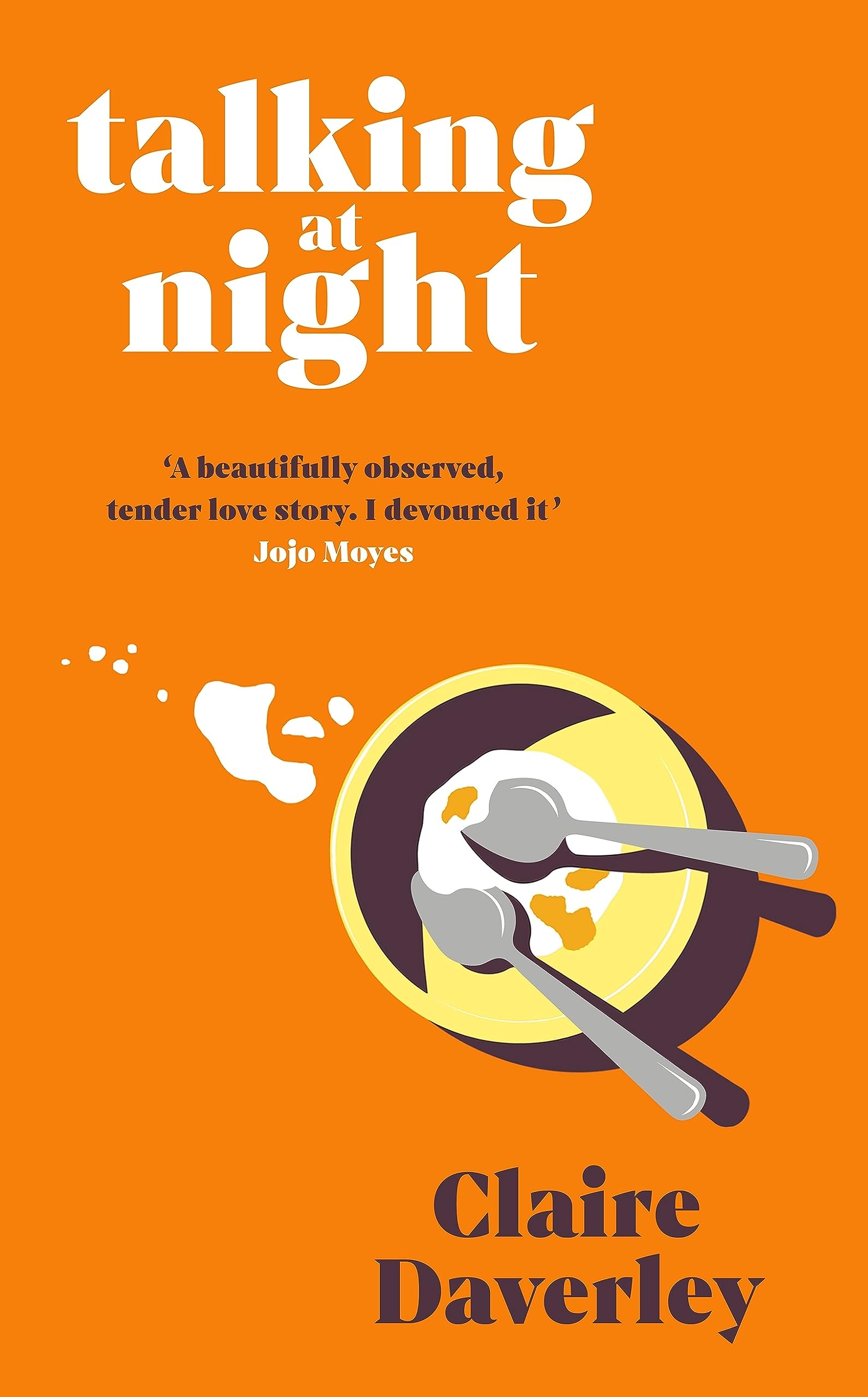
Her debut novel, Talking at Night, has sold in over twenty territories, was selected for the Fearne Cotton Happy Place Book Club, shortlisted for the Debut of the Year at the British Book Awards 2023, long listed for the Waterstones Debut of the Year 2023, and shortlisted for the Nota Bene Prize 2024 as well as named as one of Waterstone’s Best Paperbacks of 2024.
She is currently writing her second novel, due for release June 2026.
Instagram: @clairedaverley
Comments