
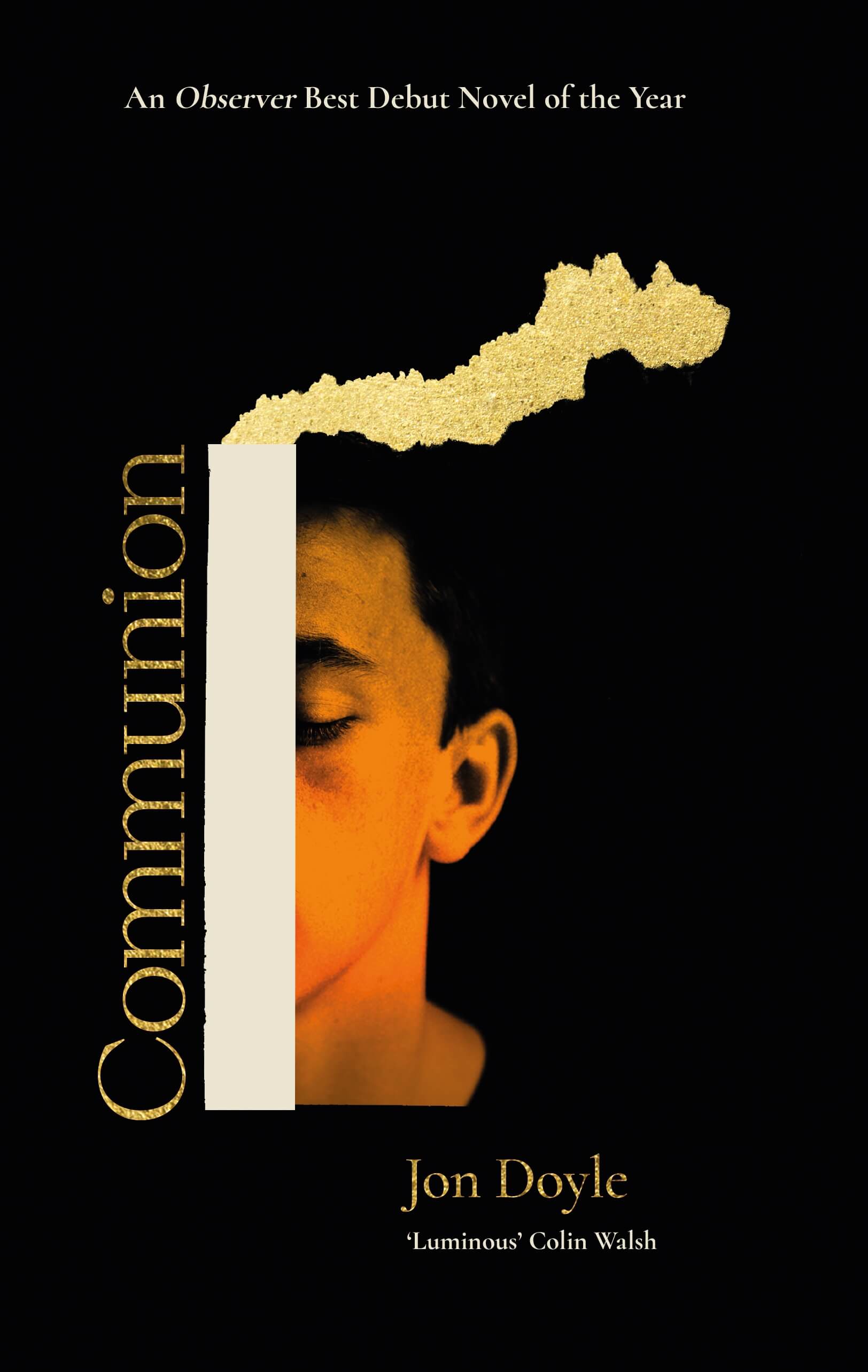
If cramming your writing time around everyday life is a challenge, you are not alone. In this extract from his article in the Writers’ & Artists’ Yearbook 2027, Jon Doyle offers guidance and advice on how to make space for writing every day.
How better to build momentum than committing to pushing a certain distance each day? A golden number that represents the line between failure and success when it comes to clocking off. But what should that goal be? 500 words? A round 1,000? More? The higher the number, common sense dictates, the better the day’s progress. As an author, it is your duty to feel a little sorry for those who can only manage a paltry sum below your personal target. The most bitter of jealousy is reserved for those able to write more.
But how helpful is such a strict regimen? The routine can certainly be beneficial. Plus there’s an inherent motivation built into self-imposed targets and deadlines. No amount of cheating or excuses will help you dodge a goal you set for yourself. But be wary. Ensure the means justify the ends. It might feel nice to turn in for the day with 1,000 new words added to your manuscript, but remember it is the quality of those words that counts. For every Stephen King (who reportedly writes 2,000 words daily) and Michael Crichton (who claimed an alarming 10,000), there is a Graham Greene or Ernest Hemingway (apparently both 500). Natasha Brown has said she aimed for a modest 100 words a day when working on her acclaimed debut novel, Assembly. This variation exists across all aspects of writerly life. Self-published authors with a ravenous fanbase might write and publish multiple novels a year, while the likes of Donna Tartt and Marilynne Robinson have worked on a single book for decades. There is no right answer in these matters. A manageable practice is a sustainable practice. It’s all about finding the sweet spot within your own personal circumstances.
What kind of writer are you?
In order to figure out where that sweet spot lies, I suggest taking some time to reflect on the kind of writer you are. One of the main reasons that prescriptive writing advice often falls flat is that we’re all very different. Learning to understand your personal rhythms and idiosyncrasies is key to building a writing habit that is productive, lasting and, dare I say it, occasionally even enjoyable.
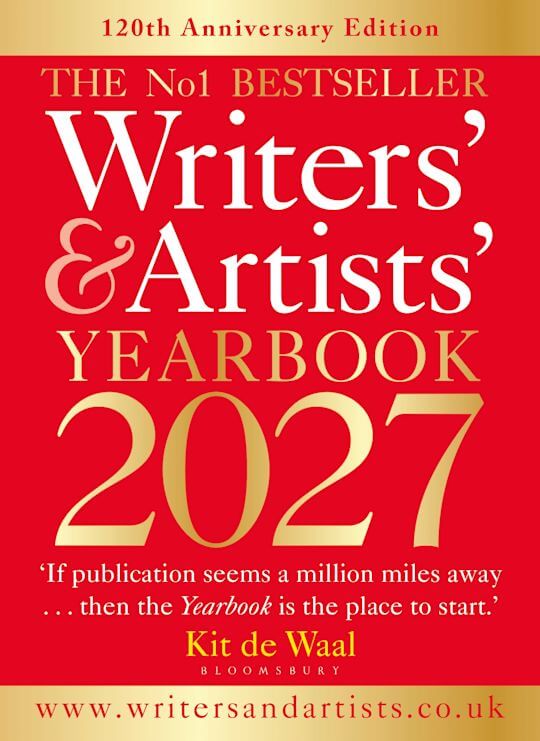
Get your copy of the Writers' & Artists' Yearbook 2027 at Bloomsbury.com.
Winner of the Writers’ & Artists’ Working Class Writer’s Prize 2023, Jon Doyle is the author of Communion, an Observer Best Debut Novel of the Year. To find out more, follow Jon on Instagram @jon.e.doyle or visit https://jon-doyle.co.uk/homepage/about/.
Comments