
Writer Shilpa Nelson Aka Annabellez challenges the notion that being creative is not an option for neurodiverse writers.
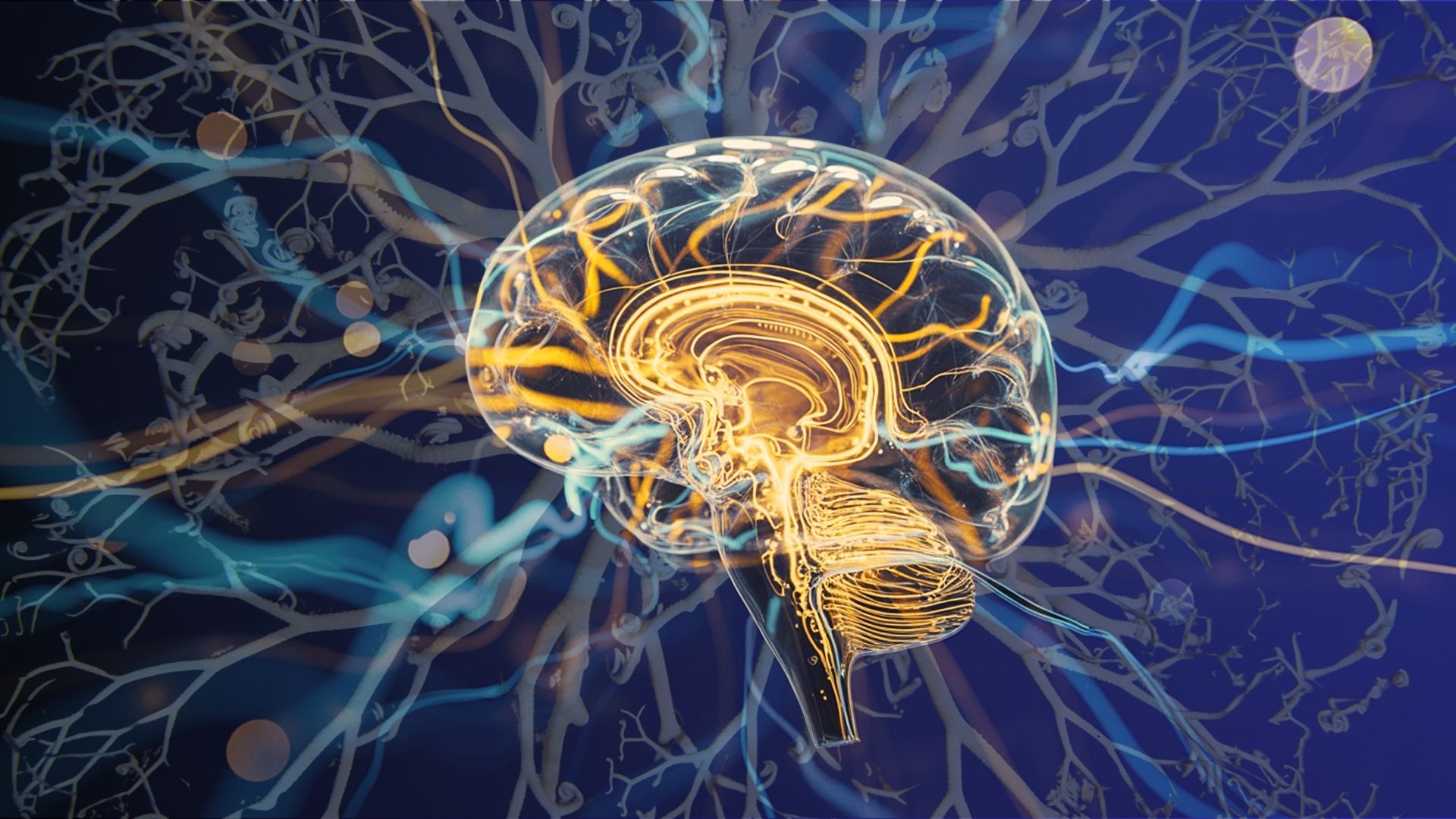
When you grow up being told you're "too much" (too loud, too imaginative, too scattered, too intense), you internalize the message that something is fundamentally wrong with you. I spent years trying to fit into boxes that were never designed for my shape, dimming my natural instincts and suppressing the very things that made me feel alive. It wasn't until I understood I was AuDHD that everything clicked into place. Not because I was suddenly "fixed," but because I finally understood that what I'd perceived as my greatest flaws were actually the architecture of how my brain works.
My brain is wired for creativity in a way that neurotypical people often struggle to comprehend. Creativity isn't a hobby for me or something I do in my spare time. It's the language I speak. It's how I make sense of the world, process information, communicate, and connect with others. When I'm being creative, I'm not doing something separate from who I am. I'm being myself in the most authentic, fully alive way possible.
This is what the world needs to understand: neurodivergent brains aren't mistakes. They're different operating systems with unique features, abilities, and requirements. My brain doesn't work linearly. Instead, it works associatively, making connections across seemingly unrelated concepts and seeing patterns others miss. While I'm in the middle of one project, three other ideas suddenly connect in my mind, creating moments of creative collision that generate my best work. The "scattered" thinking I was taught to be ashamed of is actually a feature of highly creative cognition.
What often goes unnoticed is the strategic thinking that comes with this wiring. When you can see the bigger picture (not just the immediate next step but the entire landscape of possibilities and consequences), you naturally become a strategic thinker. I can envision how one decision might cascade into unexpected outcomes five steps down the line. I can see the forest and the trees simultaneously. This isn't something I learned; it's inherent to how my brain constructs meaning. Yet it's often misdiagnosed as overthinking or anxiety.
What the world has pathologized in neurodivergent people is actually a collection of extraordinary abilities. We're told we're broken because we can't sit still in traditional settings, even though we might be processing information at depths far beyond what the curriculum requires. We're told we're scattered because we hyperfocus on things that captivate us and struggle with things that don't, yet this ability to achieve deep flow states is where the most innovative thinking happens. We're told we need fixing, when what we actually need is recognition that we're not defective versions of neurotypical people. We're entirely different types of minds.
The creative dopamine that neurodivergent people crave isn't a sign of addiction or instability. Neurodivergent brains often operate with lower baseline dopamine levels, and when we engage in creative work (that state of flow where ideas connect and time disappears), we're producing what we need to function optimally. This is self-knowledge and self-regulation, not weakness.
Neurodivergent people are often drawn to creative solutions in whatever field we occupy. We become writers, artists, designers, musicians, and entrepreneurs. We develop unconventional strategies and see solutions others haven't identified. But creativity isn't confined to the arts. Engineers create innovative technical solutions. Scientists propose paradigm-shifting theories. Teachers build learning environments that reach students everyone else has abandoned. Our different way of thinking applies everywhere.
If you're neurodivergent, you're not broken because you think differently. You're not less-than because your brain doesn't operate on the neurotypical standard. You're not lazy or unfocused because you can't force yourself to care about things that don't engage your mind. You are exactly who you're supposed to be. The skills that come naturally to you (the creativity, strategic thinking, ability to see connections, and capacity for deep focus) aren't anomalies. They're your superpowers.
The real issue isn't with neurodivergent brains. It's with systems built for a narrow range of human cognition that pathologize everything else. Schools punish you for not sitting still while you're learning more than anyone else. Workplaces measure productivity by hours in a seat rather than quality of output. Social situations demand small talk when you're already overwhelmed by sensory input. These systems aren't neutral; they're designed to favor one type of brain.
Finding your people changes everything. Among others who speak your language of creativity and strategic thinking, you're no longer the weird one with seventeen ideas an hour. You're with people who understand that creativity is essential. It's how you process the world. It's how you make meaning.
You don't need to be fixed. You don't need to apologize for how your brain works or spend your energy thinking like someone else. Build a life where your natural talents are celebrated, where your need for creative dopamine is a legitimate requirement rather than a character flaw, where you stop fighting against yourself and start working with your brain.
You are creative. You are strategic. You are exactly as you should be. The world is better for having minds like yours in it.
I am Shilpa Nelson Aka Annabellez, a neurodivergent writer, storyteller, and narratologist. I love dissecting stories and learning from them.
To find out more about me, please check my LinkedIn.
Comments