
Writing is a famously solitary occupation, but working with others can open up new and exciting opportunities, as author Sarah Clarke discovered. In this extract from her article in the Writers’ & Artists’ Yearbook 2027, Sarah discusses the different ways in which a publisher may collaborate with a writer.
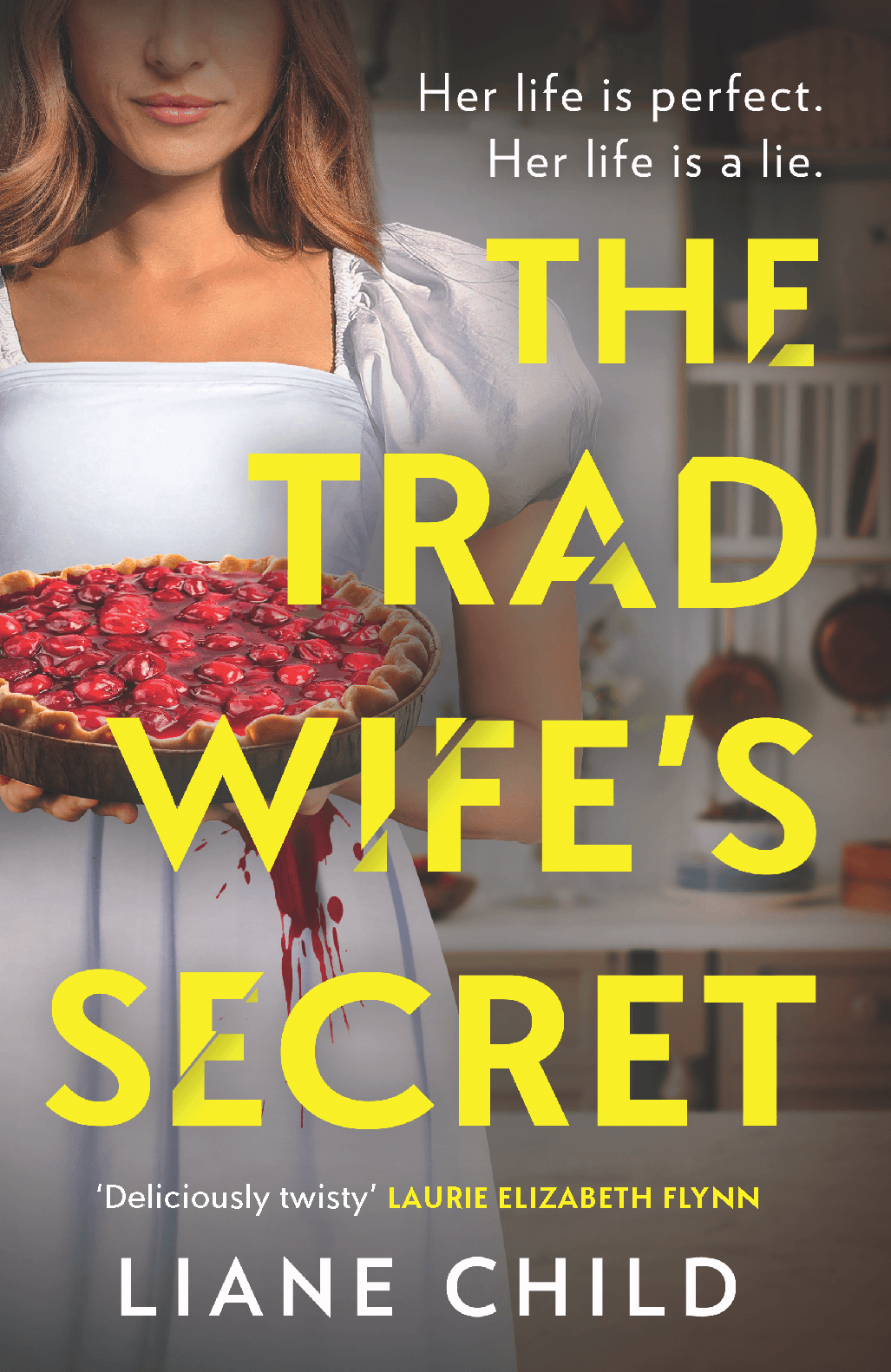
There has always been a proportion of books that are written as IP (Intellectual Property) projects. These might be celebrity fiction books written by ghostwriters, or media tie-ins where books are written to support an entertainment brand like Star Wars or Marvel. And then there are books where the publisher develops the concept and asks an established but less well-known author to write it.
And it’s not just IP projects where a publisher is more involved with the book. In collaborations, publishers and authors work together on a book – which was my experience with The Tradwife’s Secret. There are both similarities and differences between these two approaches.
IP projects
- The publisher comes up with a concept for a book that they believe will do well in the marketplace – this might be because they’ve identified a gap, or to capitalise on the success of a recent book or movie that’s been particularly popular.
- The publisher asks an author to write the book – this could be a specific author whose writing style fits, or they might approach a few writers who then pitch for the work.
- The publisher provides a detailed outline of the book, often with a chapter plan, and the author writes to that plan. Sometimes the book is edited in stages, too.
- There are usually tight deadlines to avoid other publishers spotting the same opportunity and publishing first.
- The author might be paid a guaranteed flat fee, or a mix of fee plus royalties. These royalties are sometimes at lower-than-standard percentages, but not always.
- Theoretically the copyright (or IP) sits with the publisher – hence the name – but in practice, the author often retains the copyright.
Collaborations
- A collaboration is more of an umbrella term that covers all books where the publisher has some input before the editing stage.
- The publisher comes up with the concept: this could be as light-touch as an ‘elevator pitch’ or as detailed as a few pages of ideas on plot, setting and character.
- The publisher approaches an author to write the book – almost always someone with whom they have an existing relationship.
- The author writes the book, generally with greater freedom than on IP projects.
- The author is paid in line with traditional publishing deals: an advance plus share of royalties, or royalties-only, all at standard percentages.
- The copyright sits with the author. But the publisher usually retains world rights and dramatisation rights.
Get your copy of the Writers' & Artists' Yearbook 2027 at Bloomsbury.com.
Sarah Clarke’s first novel, A Mother Never Lies, was published in 2021 by HarperCollins HQ Digital. She has written five more books under her own name and The Tradwife’s Secret as Liane Child. Find out more at www.sarahclarkeauthor.com/about and follow Sarah on Instagram @sarahclarkewriter.
Comments