
Author and illustrator Debasmita Dasgupta takes us through the process of creating a graphic novel.
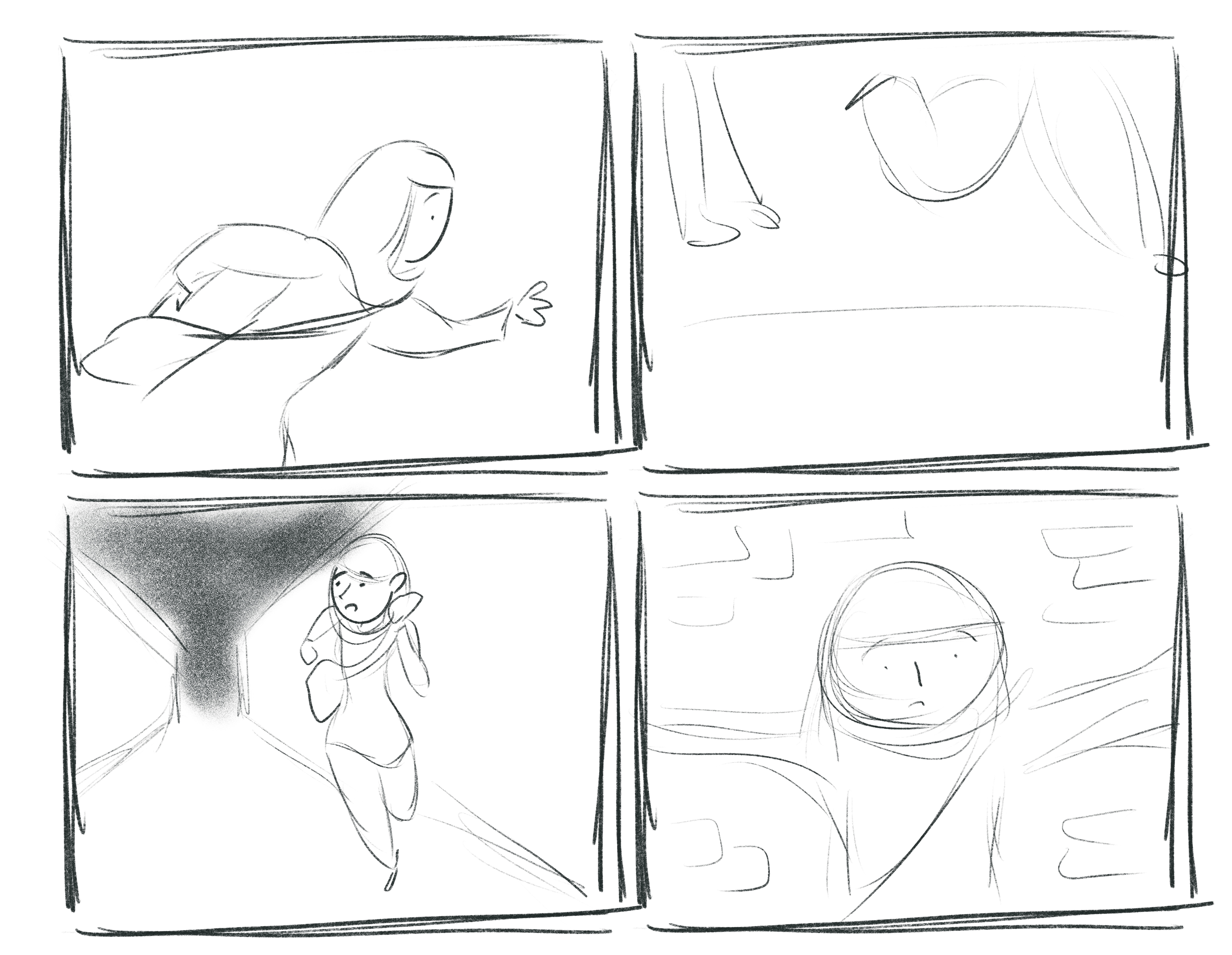
Graphic Novels have become a powerful part of modern reading culture. They sit at the crossroads of art and story. Words and images working together.
Quietly powerful.
Instantly engaging.
Children’s graphic novels, especially inclusive ones, are growing faster than ever. Young readers want to see themselves in stories.
Different cultures.
Different abilities.
Different families.
A graphic novel can open a door where a child suddenly thinks: that’s my world!
In the UK, as we celebrate the National Year of Reading, this matters even more. Graphic Novels help reluctant readers become curious readers.
Pictures bridge the gap.
Visual stories pull them forward.
And before they realise it, they are reading. A lot.
For aspiring creators, making a graphic novel can feel overwhelming.
But it doesn’t have to be. Think of it like cooking. Every good recipe needs the right ingredients. And a bit of patience.
Let’s step into the kitchen!
Step 1: Gather Your Ingredients
Every graphic novel begins with a handful of essentials. Without them, the recipe will struggle.
Core ingredients:
- An idea – simple, clear, emotionally interesting
- Compelling characters – someone readers care about
- A visual world – a setting that feels alive (where does your character live?)
- A story arc – beginning, middle, and ending
Your voice – remember it’s your story so bring your lived experiences, your point of view
Step 2: Prepare Your Story Sauce
Before drawing hundreds of pages, slow down. Build the structure first. Think of this as preparing the base sauce.
Start by asking:
- Who is the main character?
- What do they want?
- What stands in their way?
- How will they change by the end?
Write a short story outline. It does not need to be perfect. It only needs direction. Planning gives your story bones. The art will later give it flesh.
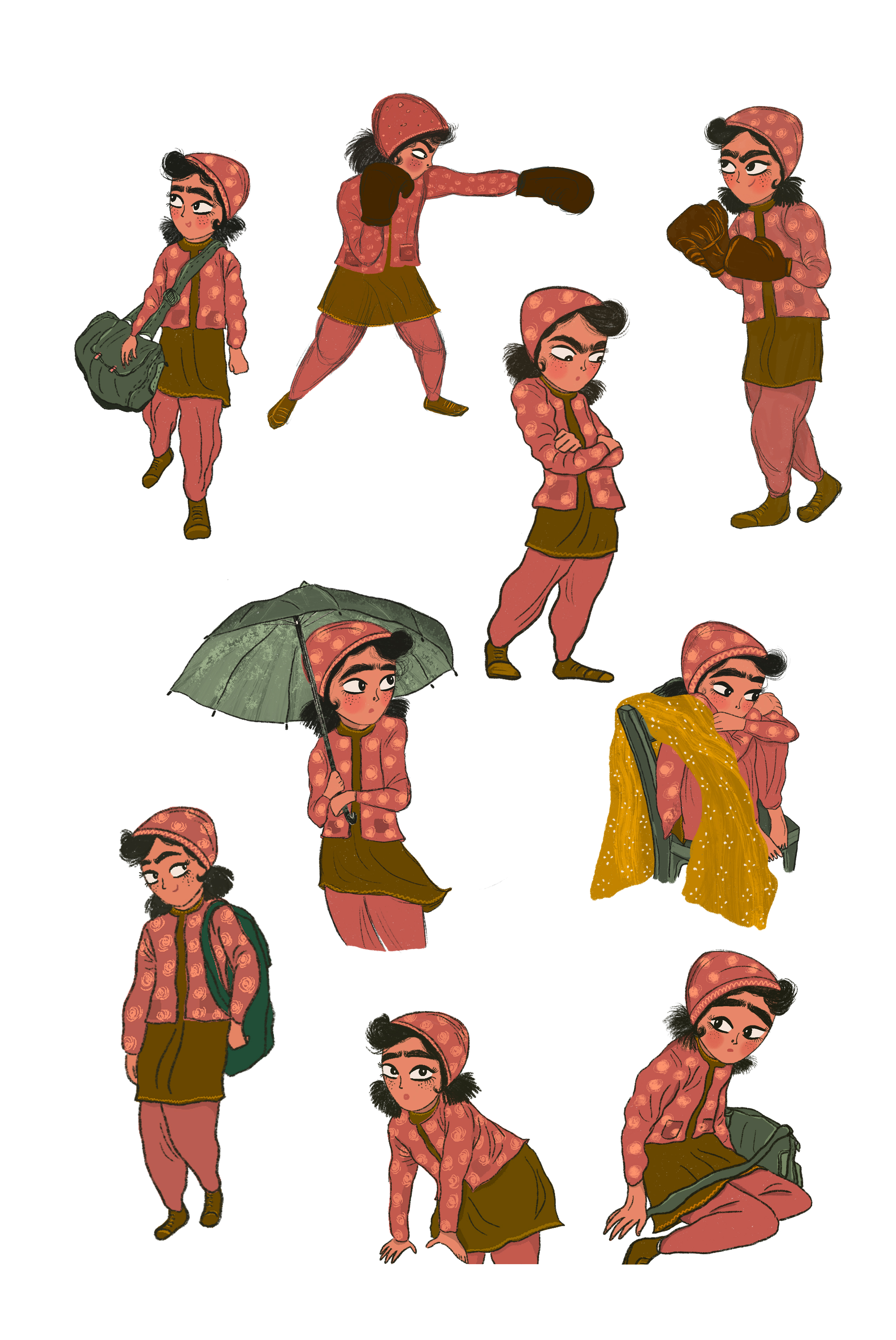
Draw many versions of your character.
Draw them from different perspectives.
Draw them in action.
Draw them in detail.
Step 3: Chop the Story into Panels
Now the fun part begins. Graphic novels are built panel by panel.
Moment by moment.
Think visually. Instead of writing: “She felt nervous entering the school.” – Show it.
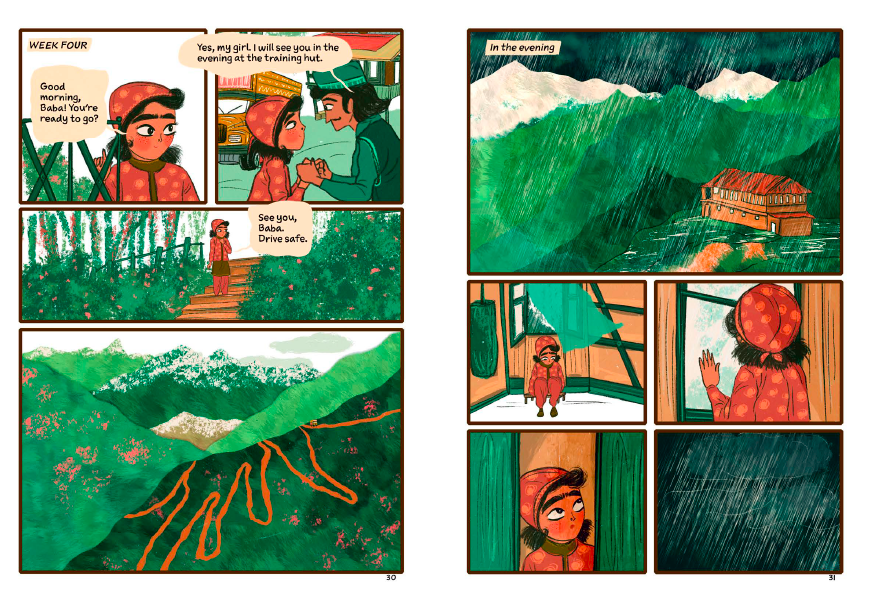
When scripting pages, focus on rhythm. Good panel flow might look like this:
- Wide panel to set the scene
- Medium panels for conversation
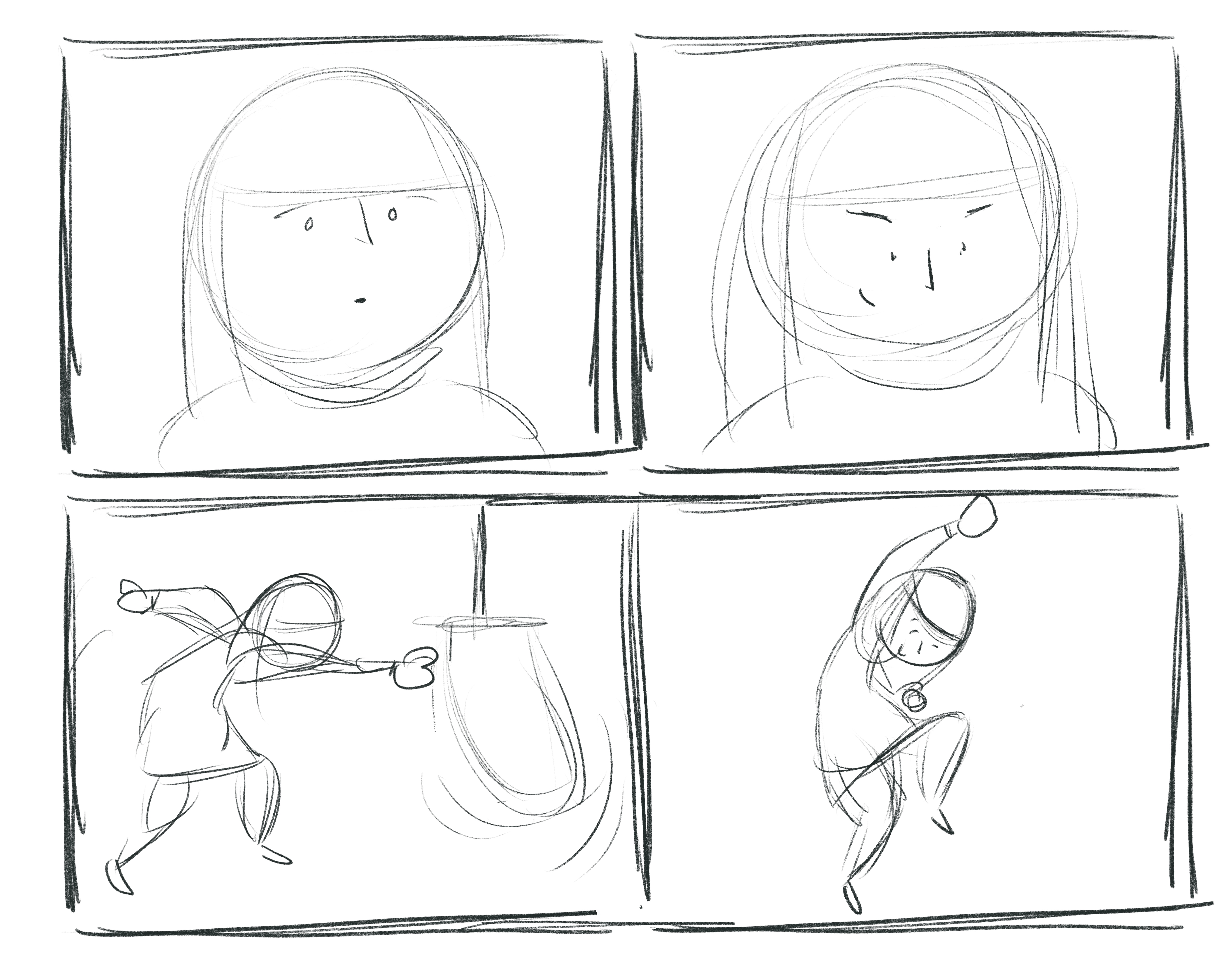
- Close-up for emotion
Silent panel for impact
Remember! Silence in comics can be louder than words.
Step 4: Mix Words and Pictures Carefully
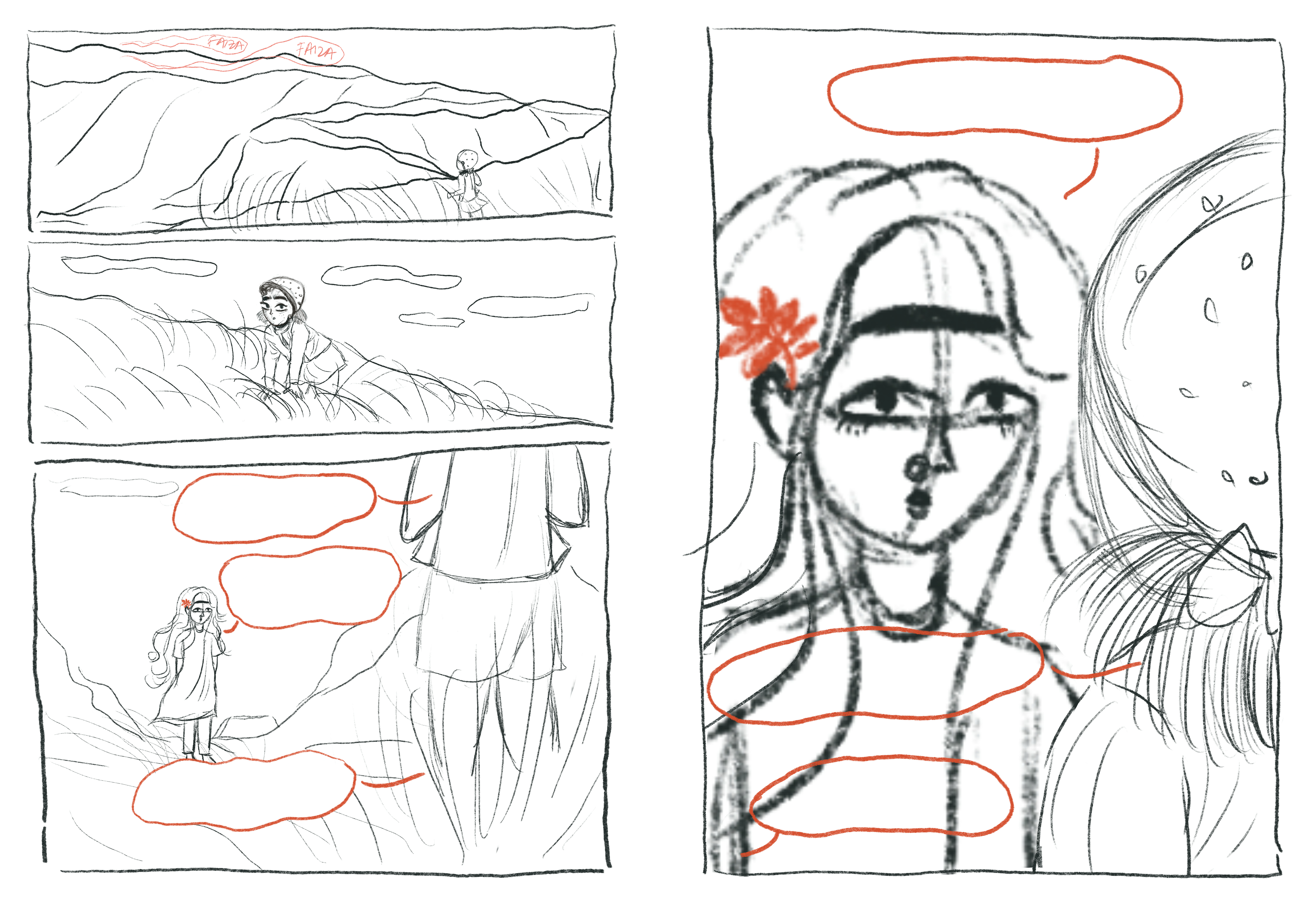
A common mistake is over-explaining. In a graphic novel, words and images share the storytelling work. If the art shows it clearly, the dialogue can breathe. Think of it like seasoning.
Too little, and the story feels flat.
Too much, and it overwhelms the dish.
Try this balance:
- Use dialogue for character voice
- Use captions for mood or time shifts
- Let the artwork carry action and emotion
When it works well, the reader forgets the effort behind it. They simply follow the story.
Step 5: Let the Recipe Simmer
A graphic novel takes time. Sometimes months. Sometimes years. And that is normal.
During the process:
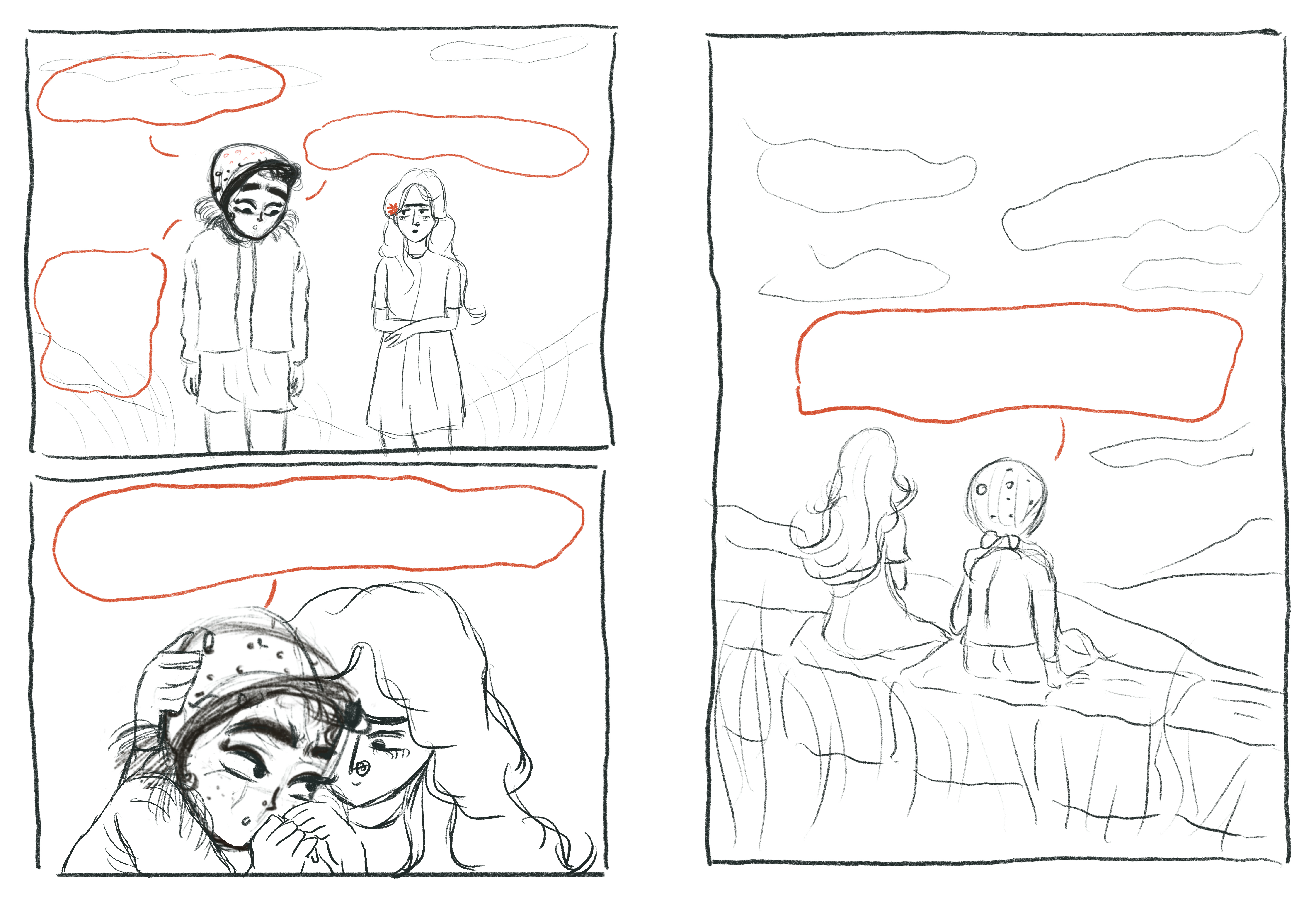
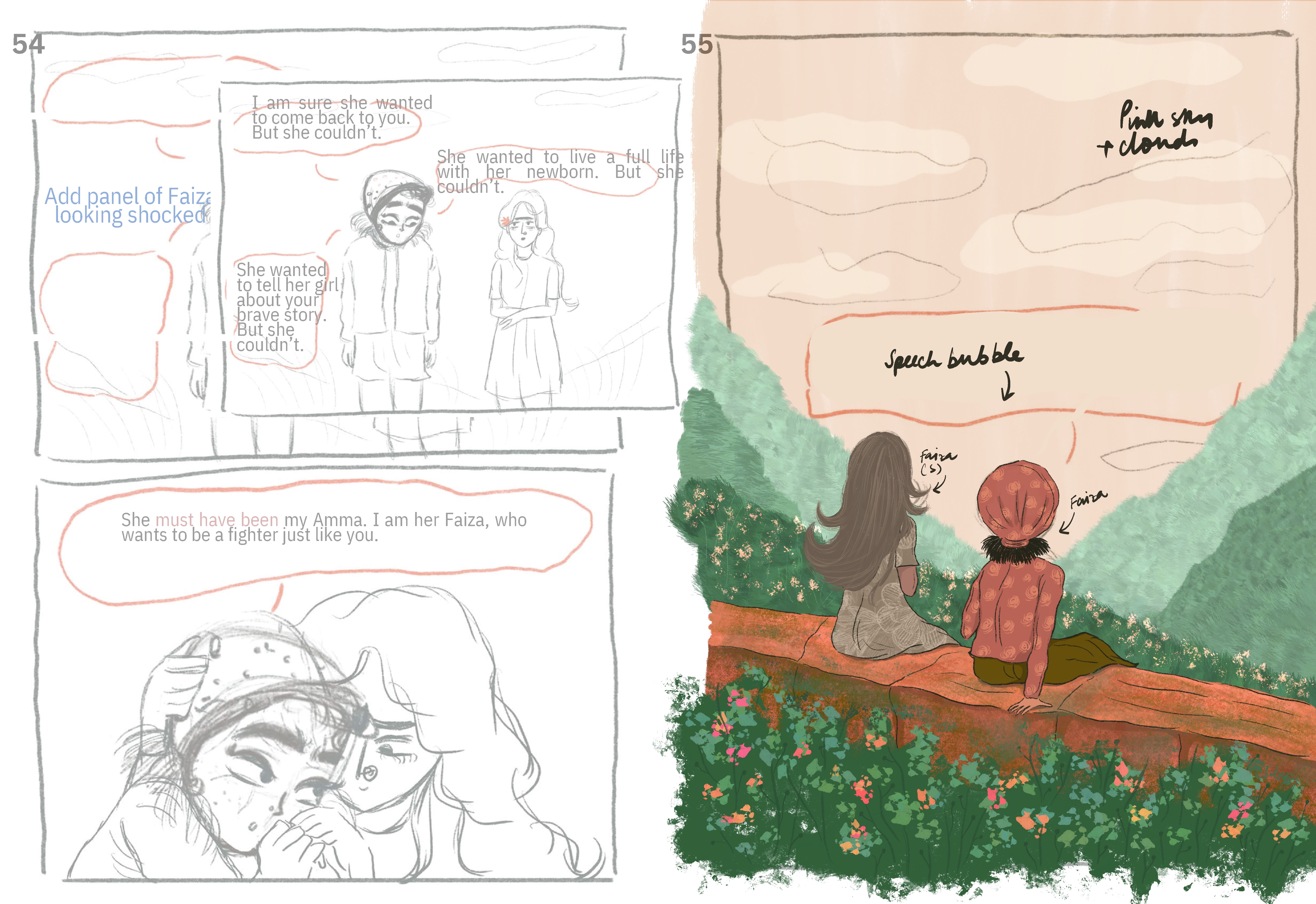
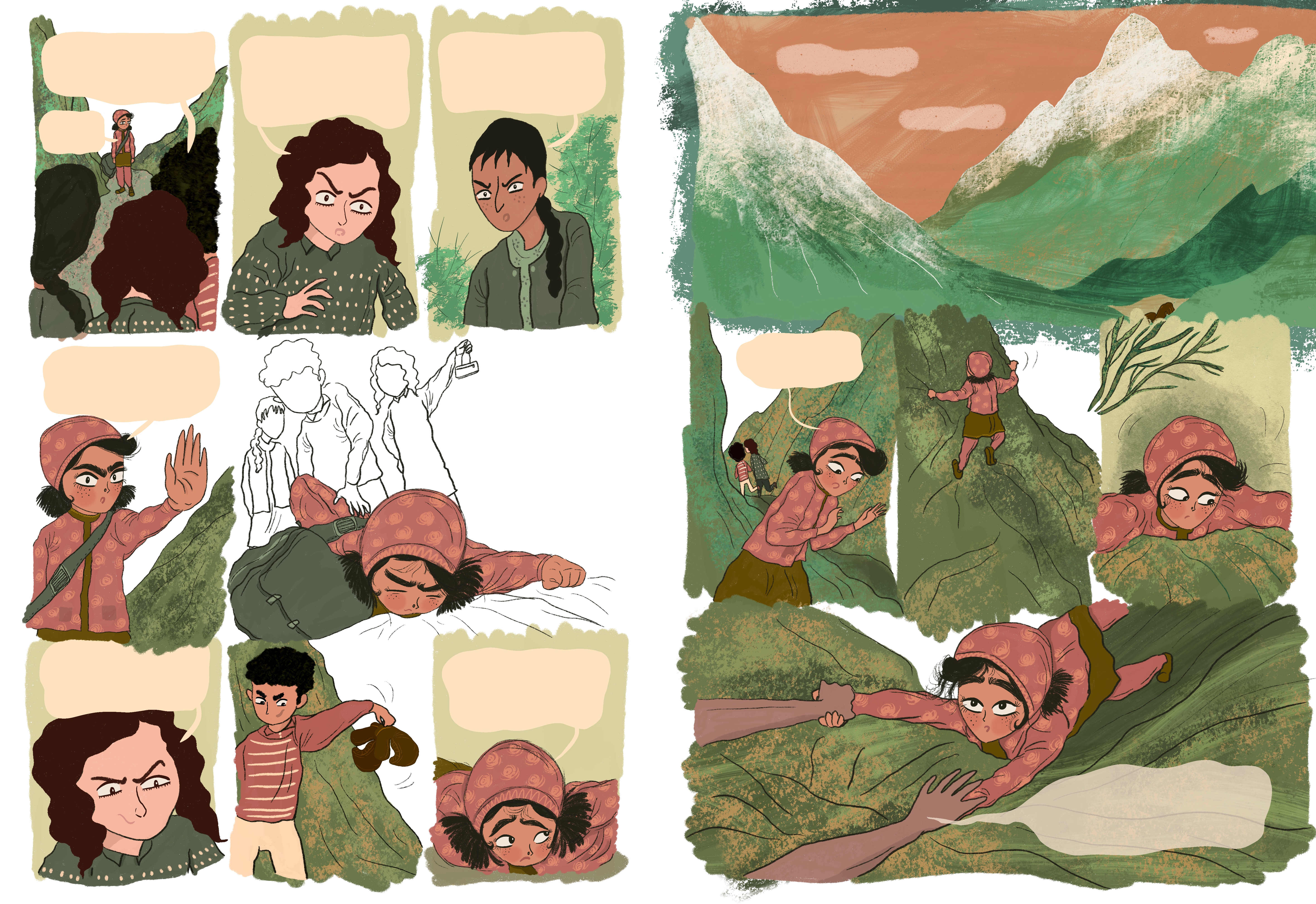
- Sketch rough pages first
- Revise the pacing
- Adjust dialogue
- Redraw when needed
- Ask for feedback from trusted readers
Every pass improves the story.
Even experienced graphic novelists rewrite.
Redraw.
Rebuild.
The secret ingredient is persistence.
Finally, Every Chef is Different
That’s right! There is no single recipe for cooking a graphic novel.
The steps I have shared here are simply how I make mine.
My way of mixing story, pictures, pacing, and patience.
But every creator works differently. Every kitchen runs on its own rhythm.
Some artists begin with character sketches. Others start with pages of writing. Some storyboard the entire book before drawing a single panel. Others discover the story while drawing it. None of these approaches are wrong!
Just like, one chef adds more spice.
Another focuses on slow cooking the flavour.
A third invents something entirely unexpected.
The important thing is not copying someone else’s recipe perfectly. The important thing is discovering your taste.
Experiment!
Try different tools.
Different storytelling rhythms.
Different visual styles.
Some attempts will fail. That is part of the process. Even the best chefs burn a few dishes while learning what works.
But slowly, with practice, you begin to recognise your own flavour as a storyteller. The kinds of characters you love drawing. The moods you enjoy creating. The themes that keep returning to your work.
That is where your voice lives.
So take these ingredients. Use what helps. Ignore what doesn’t. Add your own twists.
And cook the story your way!
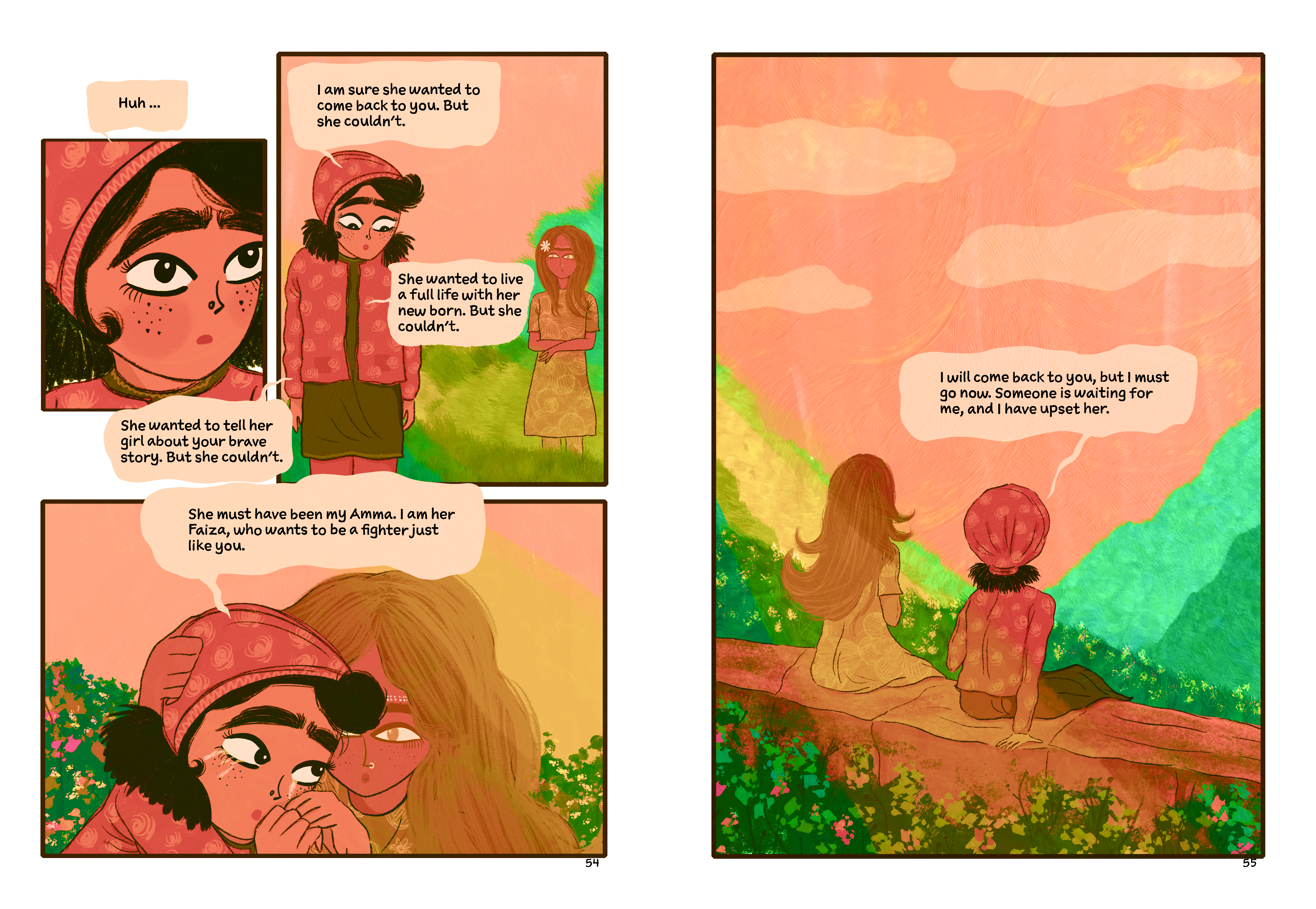
All images are from Faiza is a Fighter, a graphic novel published by Lerner Publishing Group.
Debasmita Dasgupta illustrates and writes books for children and young adults. Initially self-taught, in 2023 she completed a Masters degree in Children's Book Illustration & Graphic Novels at Middlesex University, London.
Her picture book, Mina vs the Monsoon, published by Yali Books USA in 2018, was nominated for the Kirkus Reviews Prize for Best Picture Book. Her graphic novels Nadya, Terminal 3 and ZardoZi-stitched with love are published by Scholastic, Penguin and HarperCollins India. In 2023 she illustrated Ganesha goes Green, published by Barefoot Books that won many awards and recognition. Her most recent graphic novel Faiza is a Fighter is published by Lerner Publishing Group in the USA, UK, and Canada.
She is co-founder of Picture Book Matters alongside author Eva Wong Nava, which empowers aspiring and emerging picture book artists and authors in Asia. Besides her books, Debasmita has illustrated animated stories that have been showcased in the Raindance Film Festival in London and Toronto. She is passionate about cinema and produces indie international feature drama for streamers such as Netflix.
She was born and grew up in Kolkata in the east of India, lived for many years in Singapore, and now lives in Windsor, in the UK, with her partner.
Comments