
Debut historical fiction author Cressida Downing on the process of turning mounds of research into something that serves your plot.
Dear Historical Fiction Writer, I can guarantee that at some point while writing your historical novel, you will curse your choices. Your fellow contemporary author is blithely throwing around mobile phones, and fridges and other easy aspects of modern life, and you are giving your poor characters bread and apples again – because all you know so far is that potatoes were definitely not an option.
But trust me, the fun part of writing a historical novel is the research. I have spent many happy hours browsing old documents, and chasing down obscure references. My favourite discovery was ‘half a porpoise’ in a monastery’s inventory. I’ll come back to that later…
The hard part is turning that research into something readable that works alongside your plot. Your readers almost certainly don’t want to read 300 words on how a medieval plumbing system works. So how do you integrate solid research into a good read? How much is too much? And what about the big events happening in your novel’s timeframe?
What’s the least research you can get away with for writing historical fiction? As a reader, I want to have a vague idea of how your characters eat, sleep, live, before all the exciting events start happening. Ian Mortimer’s TIME TRAVELLER’S GUIDES are an incredible resource. Read widely around other historical novels set in your period. Watch TV dramas (but be aware they divide along very clear lines: the glamorous with beautiful make-up on peasant extras; or the downright muddy.)
That gives you your grounding, but now what? Well, what about the big events? Are your characters part of the tumultuous political events (like Hilary Mantel’s WOLF HALL)? Or do they live and work a hundred miles away, with no connections to power? How long will it take for the ripples of change to reach them?
Sticking to the Tudors, the Reformation did not result in a sudden neat transfer to Protestantism across the country. Churches waited to hear what they should do, old habits died hard, and there was outright resistance. Now think about your characters in relation to this. How likely are they to embrace or even know about a big event? How important is that event within the context of what is happening to them?
All this boils down to: do the research into big historical events, but then position your plot accordingly.
The really fun part of research is finding out about how people were actually living. Finding anecdotes and local scandals can really add colour to your writing. Court records go back a surprisingly long way, and if it’s come to court, there’s probably a pleasing amount of grievance involved! Small snippets can drive a plot, round your character, and generally colour in your book’s authenticity.
So that’s the big events and the little events. Now for the small stuff.
Beware! This is where you spend three hours researching shoes in order to add a throw-away line in chapter 17. I am particularly susceptible to this temptation, but at least ringfence it. (To come back to ‘half a porpoise’, these could be eaten during Lent as they were considered ‘fishy enough’, but only if you were of high enough status. So my monastery was sending half a porpoise (probably salted) to a nearby Bishop as a kind gesture. I hope they got to keep the other half.)
Alternatively, if you find yourself stuck on a plot point, give yourself a full day to go looking through research. You may find an interesting fact that sparks an idea. As Hilary Mantel said, ‘Don’t rearrange history to suit your plot: make a virtue of the constraints of the facts.’
***
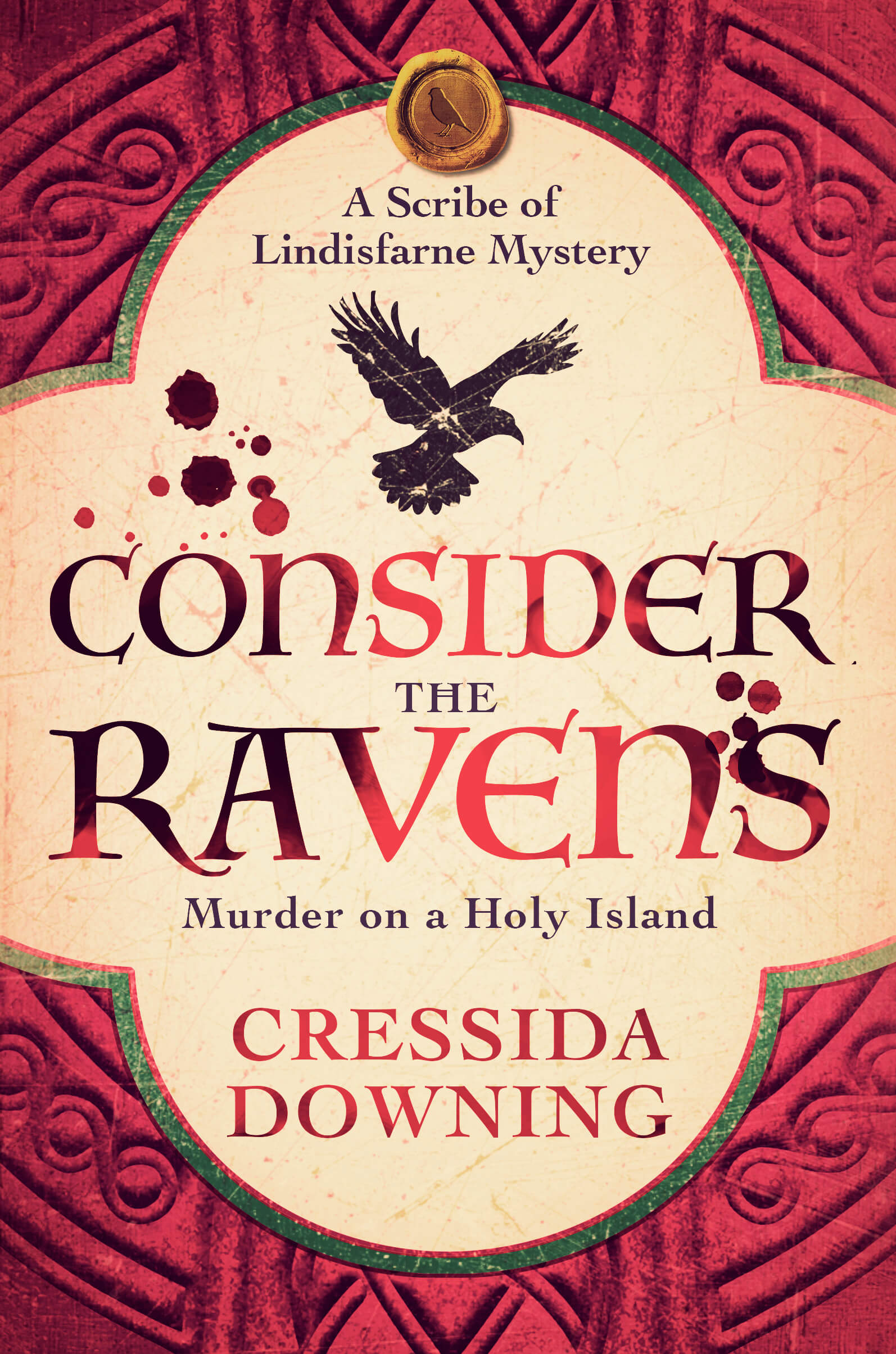
Cressida Downing’s debut historical crime novel, CONSIDER THE RAVENS, comes out on 16th July, 2026, and is published by Bedford Square Publishers. Click here to quiz her on porpoise and purpose at the following events:
Tuesday 28th July – Waterstones, Durham – 7.00pm
Wednesday 29th July – The Accidental Bookshop, Alnwick – 6.30pm
Thursday 17th September – Waterstones, Morpeth – 6.00pm
Friday 18th September – Bloody Scotland, Stirling – 6.45pm
Cressida Downing is a freelance editor, has worked in bookshops and for publishers, and co-owns a business taking people on reading retreats. She lives near Cambridge and has planned 6 further novels in the series.
Comments