
We spoke with best-selling author Jeneva Rose about her unconventional path to publication, how writers can build resilience and her writing process.
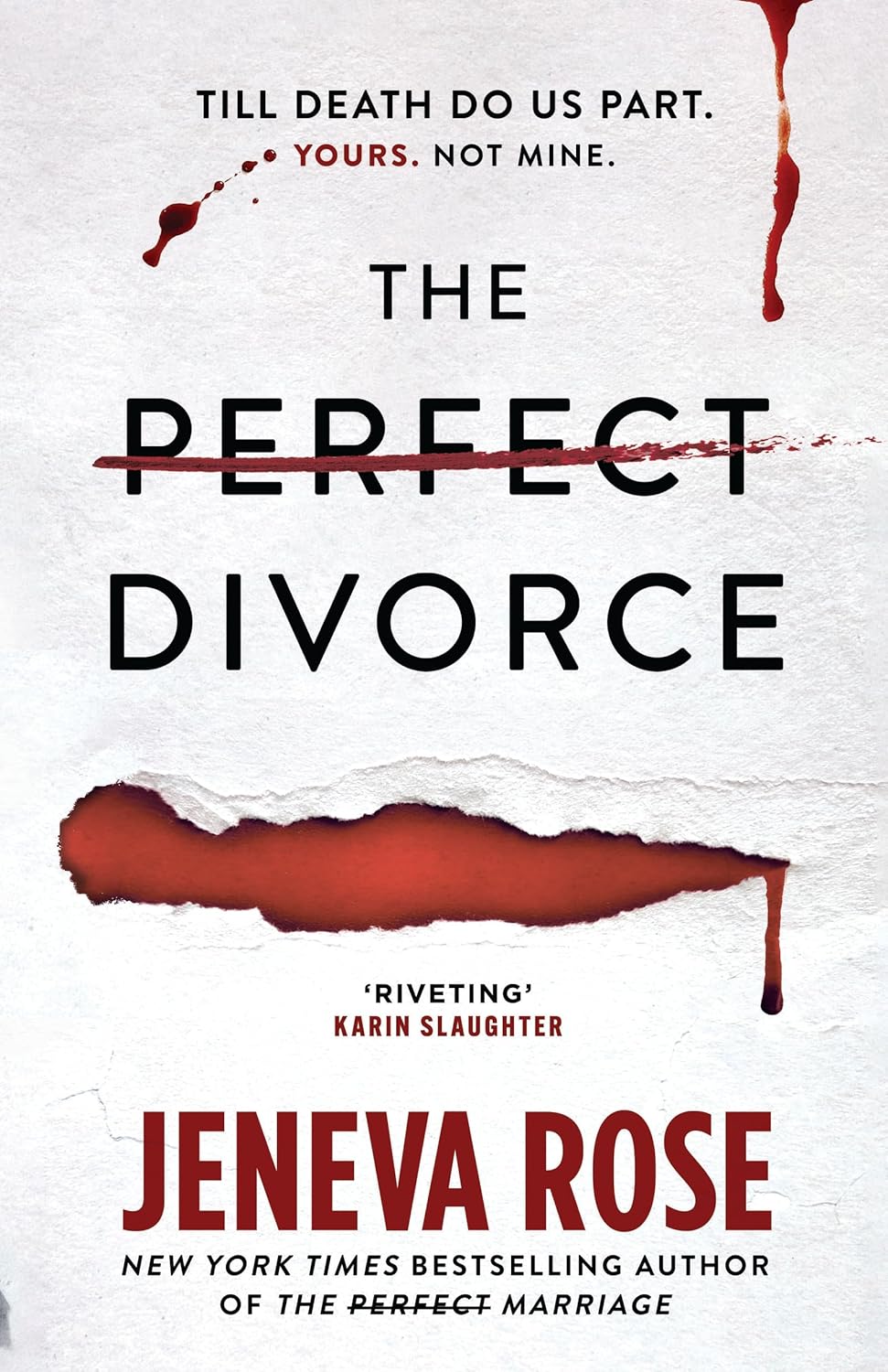
You had an unconventional path to publication with your first book being published by a UK digital-only publisher and you’ve just recently signed four thrillers with S&S in the UK in a six-figure 10-publisher auction! Can you talk us through your journey a bit more?
It’s been quite the journey. Going from nearly 500 rejections over the course of my writing career to having publishers around the world compete for my next book has been an extraordinary and surreal journey. My drive and perseverance have kept me going through every rejection. I treated every no as a not right now, and I just kept writing. Once I secured publication, I took an active role in marketing my work, ensuring it reached as many readers as possible. In the process of promoting my books, I’ve built a social media following of over one million between my Instagram and TikTok accounts, which has allowed me to connect directly with readers and foster a vibrant community around my books.
The writing and author journey is full of the uncontrollable. What advice would you give to writers on how to build resilience?
Rejections are an inevitable part of the writing journey, and they’re rarely a reflection of your worth or potential. Instead of taking them personally, view them as stepping stones—evidence that you’re putting yourself and your work out into the world. Focus only on what you can control and that’s the writing.
Let’s dive a bit more into the craft…what is your writing process like? Are you a planner? Or a pantser?
I consider myself both a plotter and pantser. I won’t start writing a book until I can summarize it in a sentence or two. This ensures there’s a strong hook and a clear throughline to guide me, so I don’t lose my way in the plot. From there, I develop character and setting sketches and outline portions of the book, but I avoid creating a rigid, start-to-finish blueprint, because I want the story and the characters to be able to breathe and change if they need to. Once that groundwork is in place, I dive into writing. I’m a binge writer who works quickly, which keeps the story fresh in my mind and helps me complete a first draft within two to three months.
You write such interesting, complex characters. How do you build characters? Do you have any advice for writers who want to write more authentic characters?
I spend a lot of time developing the cast of characters and understanding what truly defines them before I start drafting. I immerse myself in their perspectives, imagining the world through their eyes. I explore every facet of their identity from the obvious details, like their appearance, to the deeper, more nuanced aspects, such as their fears, motivations, and private thoughts when the world grows quiet. To deepen this understanding, I pose situational questions: if this character were in a car accident, how would they respond? Would they break down in tears, flee the scene, take responsibility, or lash out in anger and shift the blame? Would they call the police or immediately check on the other driver? Exploring these scenarios allows me to build them out authentically and ensure they’re not just characters, they’re people.
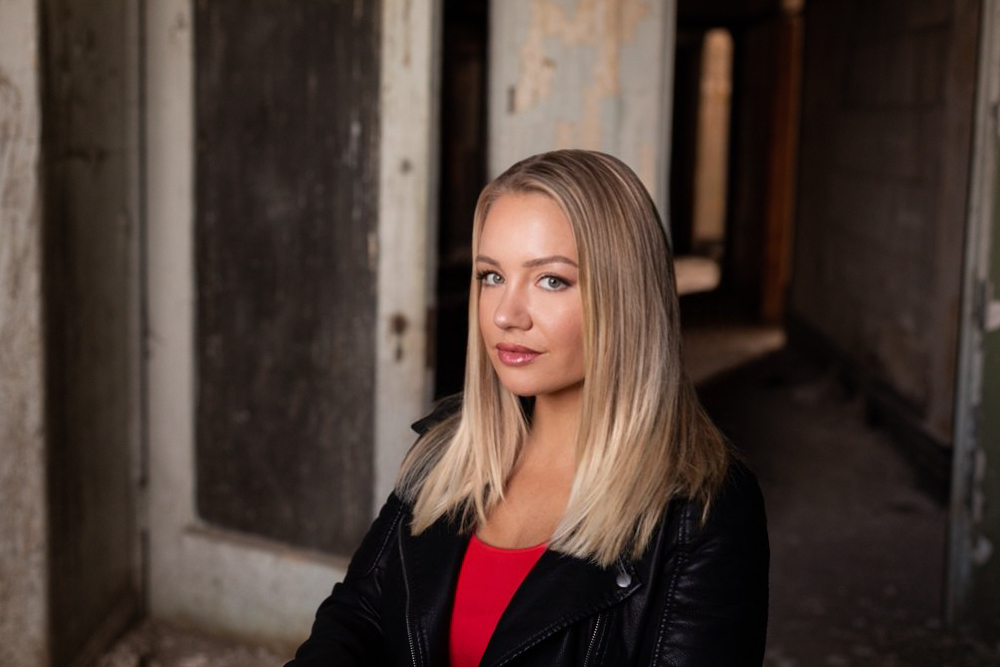
Credit: Katharine Hannah
How do you approach the editorial process? How many rounds of revision does it take, on average, for you to get to a story you’re happy with?
Before I turn in a finished manuscript to my editor or agent, I’ve typically gone through it a few times on my own and with the help of a few trusted beta readers. From there, it’ll go through a more formal editorial process with my publisher. I genuinely enjoy developmental edits, whether the manuscript needs only light refinement or a significant overhaul. The deeper revisions feel a bit like solving a complex puzzle. I also find satisfaction in line edits, where language and rhythm are sharpened. By the time I reach copyedits and proofreading, my enthusiasm has usually waned due to so many read-throughs, and I’m ready to either move on to the next project or finally take a much-deserved break.
What are your top tips on writing pacy stories? How can writers grip their readers’ attention?
If a scene feels tedious to write, there’s a strong chance it will feel equally flat to your readers. Pay close attention to sections you find uninspiring or unenjoyable to revisit. Those are often signals that the pacing or content may need trimming or revision. Every chapter should conclude with a lingering question, a compelling cliffhanger, or a clear escalation of stakes. This approach keeps tension high, sustains curiosity, and compels readers to turn the page.
You write across multiple genres and we’d love to know a bit more about this. Does your process differ? Are there any genre tropes that you love/like to avoid?
My process doesn’t vary significantly across genres, because at its core, great storytelling is universal. Regardless of genre, the goal is to captivate readers, and that requires the same essential elements, a compelling plot, dynamic characters, purposeful pacing, and a strong hook. When it comes to tropes, I don’t avoid any outright. I believe tropes are powerful tools when used thoughtfully, but they lose their impact when treated as shortcuts. Whenever I employ a trope, I do so deliberately, ensuring it serves the story in a fresh or meaningful way.
What advice would you give to writers who want to dip their toe into TikTok and social media? How can writers cut through the noise?
Don’t overthink it, just start. You don’t need fancy equipment, professional lighting, or a flawless strategy to begin. What matters most is showing up authentically and consistently. Readers connect with you as much as they do with your books, so let your personality shine through. To cut through the noise, focus on two things: authenticity and storytelling. Don’t worry about chasing trends or trying to copy what other authors are doing. Lean into what makes you or your journey unique. Maybe it’s your drafting process, your sense of humor, a niche hobby or interest you have, your family life, or your behind-the-scenes struggles. If you’re genuine and having fun, people will feel it, and that’s what makes them stop scrolling. And remember: virality is unpredictable. Not every video will take off, and that’s okay. Think of each post as one more chance for the right reader to discover you. Over time, those little moments of connection add up.
Jeneva Rose is the #1 New York Times bestselling author of several novels, including the multi-million copy bestseller, The Perfect Marriage. Her work has been translated into more than thirty languages and optioned for film/tv. She lives in Wisconsin with her husband, Drew, and her stubborn English bulldogs, Winston and Phyllis.
Comments