
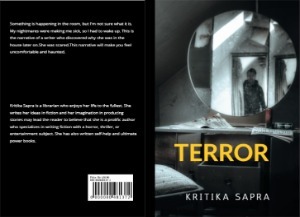
As a writer, creating horror stories requires a special kind of silence and patience. It's crucial to immerse yourself in the atmosphere you're trying to convey. Personally, I prefer to write in the middle of the night, when everything is quiet and the darkness adds an extra layer of eeriness to my thoughts. Isn't it scary? This approach helps me connect deeply with my audience, allowing them to feel what’s in my mind while writing.
Here are some tips for those who are new to writing horror stories:
1. What to Write?
The most important thing is to ensure that your audience can relate to your story. Authenticity is key. Whatever you write, make it truthful and relatable. Your readers should feel a connection to the characters and the plot.
2. How to Write?
Expressing yourself clearly is vital. Your story's context and narrative should be easy to understand. If your audience can grasp the story or the message you're trying to convey, you'll truly be successful. Use simple English to ensure your story is accessible to a broader audience.
3. Clarity of Subject
If you're writing a horror book, it needs to be genuinely frightening. If your story lacks horror elements, it means you haven't succeeded in your goal. Strive to immerse your audience in the story, making them feel like they're a part of it.
4. Continuation of the Story
Maintaining a consistent horror theme throughout your book is crucial. Your audience may get bored after reading a few pages if the suspense and horror elements aren’t continuous. Keep the tension and intrigue alive from start to finish.
5. Ending the Story
Ensure that the ending is satisfying and feels real. Your readers should feel that their journey through the story was worthwhile. A well-crafted ending leaves a lasting impression and a sense of fulfillment.
Comments