
Madeleine F White explores when escapism tips into creativity and healing.
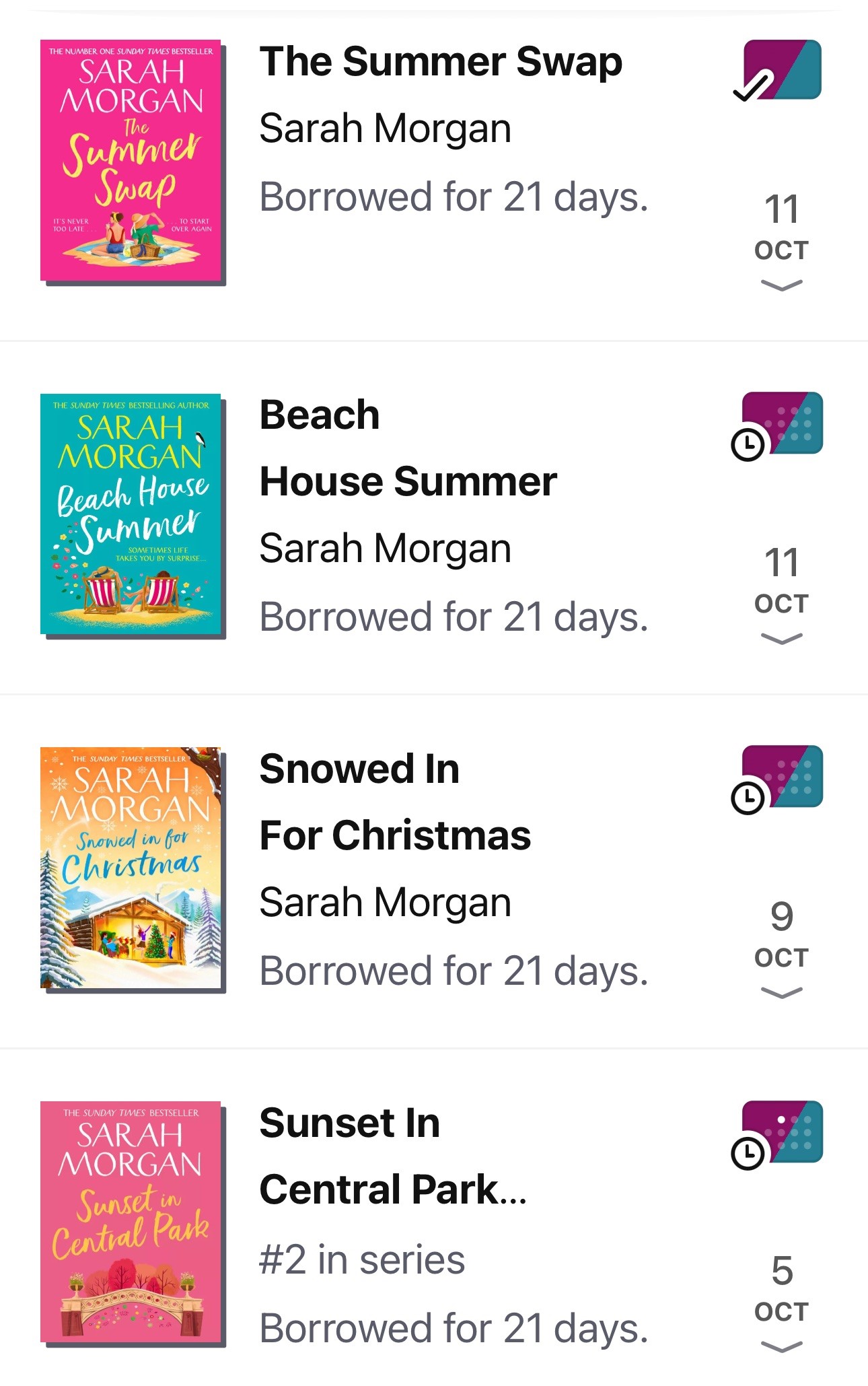
At the moment, I find myself reading romance and romantasy – anything that allows me to drift away from reality. St Anselm Collected Works and Chris Van Tulleken’s Ultra Processed People sit unopened on my bedside table. There’s something medicinal about the easy read; accessible layers of other worlds soothing, restoring and offering a sense of order when the one I inhabit feels fractured.
Recovering from a nasty virus over the last few days has meant I’ve had time to reflect more on these changing reading habits. In fact, rather than berating myself, I wonder whether these comforting plots provide a subconscious time-out to heal. I’m particularly thinking of the writer’s block that the ongoing rejection (i.e. failure) of my most recent novel has created.
Stepping back from the personal, and with my experience in publishing honed as the founding editor of literary magazine Write On! and partnerships lead for publishing platform Libaro, I can see the same pattern emerging on a wider level. The surging levels of escapist fiction seem to point to the fact we readers are chasing something beyond mere entertainment and are doing so en masse. Of course, trends like TikTok virality, clever marketing cycles or even pricing strategies also play their part in driving sales, but the sheer breadth of the phenomenon suggests something deeper is at work; a need being met that goes beyond commercial forces alone.
Thinking about how I’m using words and worlds as both balm and refuge has prompted me to explore these ideas more deeply. If my overconsumption mirrors wider reading trends, it raises a key question. Is our, and therefore the industry’s, pursuit of the easy-read bestseller creating a rabbit hole of consumption, a kind of cultural navel-gazing? Or, conversely, are we turning to these books as a space of restoration for our subconscious, a place where deeper healing occurs, not just individually but culturally also? The truth may sit somewhere between the two: escapist reading can be both a healthy pause and, at times, a retreat that delays re-engagement.
I first explored this tension in my essay Consumer vs Creator, arguing that the demands of modern consumerism – financial, social, cultural – can stifle creative energy. Constant consumption of packaged content can dull our instincts for creation and reflection.
Today, this argument feels more urgent than ever. Our geopolitical reality, marked by economic volatility, political instability and ecological crises, has amplified a collective hunger for the safe, the predictable, the consoling. Romance and romantasy are not just distractions; they’re lifelines. But if we stay in this protective bubble for too long, we risk losing our ability to engage with the real world. Healing through consumption can tip into avoidance, leaving us insulated from both discomfort and responsibility.
So how do we navigate this tension? The answer, I believe, lies in recognising consumption as a phase in a broader cycle – a cycle that moves from wound to healing to creation. I think of it as a five-step journey:
Wound / Disruption
A moment of chaos or loss demands restoration.
Consumption for Healing
We turn to stories, art, and media for rhythm, comfort and resolution. Ask: do we consume to heal or avoid?
Integration / Reflection
Pause and notice what the work stirs in you. Reflection turns passive consumption into active awareness.
Creation / Action
Insights seek expression – through writing, art, or activism. Healing becomes energy, not just solace.
Sharing / Offering
Creation fulfils its purpose when shared. Sharing extends personal healing into collective empathy. The cycle completes and begins again.
The danger lies in getting stuck at step two, letting comfort become refuge. But conscious consumption can be a catalyst for creation; a way to turn restoration into action, and healing into contribution. The tipping point comes when consumption numbs rather than restores, when pleasure replaces insight, and when we fail to carry the story’s lessons into life itself.
Understanding this cycle helps us navigate personal and societal challenges. In times of instability, whether political, social, environmental, our instinct may be to retreat into comfort. That retreat is valid, even necessary. But it must be temporary and conscious. The goal is not endless escape but cyclical nourishment: consume, integrate, create, share, repeat.
Romance and romantasy and indeed any new genres this cycle creates, remind us of the restorative power of story, but also of our responsibility. The stories we consume aren’t endpoints; they’re springboards carrying the seeds of creation… if we chose to plant them.
Ultimately, healing and creation are inseparable. Consumption heals, reflection integrates, creation transforms and sharing completes the cycle. For me, this has meant allowing myself the indulgence of the easy read, while sitting with the sting of rejection. What at first felt like failure or avoidance has, in fact, offered me a space of restoration. The stories I have reached for in weakness haven’t just soothed but have also stirred new questions, new energy and even this piece of writing! To remain in step two would have left me in the ‘sticky solace’ of comfort-reading. Creating this feature from an idea that came to me in a period of ‘indulgence,' has challenged me to move through the cycle and begin again. I have written a new beginning into being and, renewed, am ready to re-engage: with my work, with others, and with the world I inhabit.
Founding Editor of Pen to Print’s Write On! Suite of publications, Madeleine is a published author and poet. She also supports the #safediscoverability platform Libraro as their partnerships lead. Linking writers, readers and the publishing industry through web3 tech and data, Libraro supports the democratisation of the publishing process.
Comments