
Novelist Elle Machray shares her experience of writing overlooked voices back into historical fiction.
Hamnet. Firebrand. The Instrumentalist. All brilliant historical fiction novels and at a glance you might assume these books were about William Shakespeare, Henry VIII and Antonio Vivaldi. But…
In Hamnet, the spotlight gently tilts from William to Anne, only ever referring to the world-famous bard as ‘her husband.’ In Firebrand, we inhabit the world of survivor Katherine Parr and uncover what it really meant to be the last word in that iconic childhood rhyme. In The Instrumentalist, we finally hear the voice of Anna Maria della Pietà, long silenced behind the strings of Vivaldi’s masterpieces.
Instead of writing from the perspective of these historically significant men, the authors shifted their focus, gaining three things by doing so. First, they add fresh perspectives to the lives of well-known figures. They acquire broader creative freedom to craft compelling narratives without upsetting that careful balance between fact and fiction. They also gain the satisfaction of bringing historically marginalised voices to the forefront of our stories and giving those figures the recognition they have traditionally been denied by earlier historians.
Centring marginalised figures often brings challenges in the research process and as writers we’ll need to use our imaginations to fill in the gaps. If you’re writing from the perspective of characters who are not only marginalised but also don’t share similar identities or lived experiences as you do, it’s important to take extra care in how you’re sharing those experiences on the page. Writing is an act of empathy, and in the same way you wouldn’t want to offend a colleague at the watercooler with an off-hand remark, you wouldn’t want to alienate your readers or do a disservice to your characters by not sensitively handling their realities in your story. It’s not easy, but putting in the effort to honour both real and imagined characters' histories is always worth it.
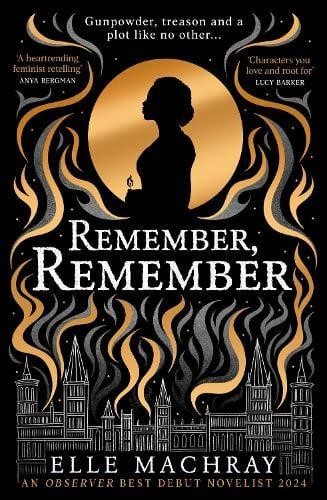
In my debut novel, Remember, Remember, we follow the story of Delphine, a queer Black woman who, after escaping enslavement, joins a gang of smugglers and becomes embroiled in a revolutionary plot against the British Empire when the justice system fails to protect her brother. Though I share some aspects of my identity with Delphine, I recognised that no experience is monolithic, and we all carry our own unconscious biases. Alongside extensive research into Black and queer communities in 18th century Britain, my team and I also hired a sensitivity editor to review the manuscript before publication to ensure that representation was accurate and handled with care. If Delphine had a disability or had been from another ethnic group, for example, my approach would have been similar.
Whether you’re publishing independently or working with a traditional publishing house, it’s worth ensuring there’s a budget set aside for sensitivity editing. If you’re on the traditional publishing path, you can ask your agent to navigate this conversation on your behalf. It’s also worth noting that, as with all aspects of the editing process, the suggestions made by sensitivity editors are only that: suggestions. You can choose how much feedback you wish to action, though on matters like these, I tend to defer to the paid expert.
Before working with a sensitivity reader, it can be helpful to keep learning about different experiences you’re writing about throughout each draft of your manuscript. Alongside academic research – through platforms like JSTOR or historical newspaper archives such as newspapers.com – reading fiction and relevant non-fiction by authors from the communities you’re writing about can offer invaluable insight. Librarians and booksellers are often brilliant sources of advice and can point you in the right direction.
Writing overlooked voices back into historical fiction isn’t just a creative choice – it’s an act of empathy and imagination. With thoughtful research and care we can tell the stories of characters who feel real and are respectfully drawn – helping readers connect not just with history, but with the people who all too often have been left out it.
Elle Machray grew up in Birmingham to St Lucian and Scottish parents. After graduating from the first cohort of the HarperCollins Author Academy, Elle has gone on to become an Observer Top 10 Debut Novelist, winner of the Somewhere: For Us Culture Award and featured in 27th place on The List's Top 100 influential people of 2024.
Elle's debut novel Remember, Remember is an alternative history inspired by the gunpowder plot. The novel follows Delphine, a formerly enslaved woman as she takes on the British Empire to save her brother. Remember, Remember was longlisted for the Mslexia Novel Prize, judged by Dame Hilary Mantel and was also shortlisted for Scotland's National Book Award. Her second novel, Havisham reimagines Dickens iconic character as she takes her first steps on a path of romance and revenge.
You can also find Elle on social media talking about books, history and exploring iconic literary locations.
Remember, Remember is out now and Elle's second book, Havisham, publishes in 2026.
Comments