
In this extract from her Children’s Writers’ & Artists’ Yearbook 2027 article, bestselling author Amy Sparkes considers how your opening line can set the tone and draw your readers in.
The content of opening lines can vary hugely. Some may introduce the protagonist or the setting. Others may focus on tone, voice or perhaps emotion. Whatever choices are made, it helps to make sure the reader is also aware of what kind of story they are reading. Leaning into genre from the start can instil confidence in readers and help manage expectations. What kind of clues can a reader find in the opening? Can they work out what the voice is like? Will they find any familiar tropes? Does the mood give the reader a hint? How can they guess the type of book from the carefully chosen opening lines?
Say I wanted to write a book about a ghost called Alice. A humorous book might start with something like:
Right. Do you know what I wish someone had told me? That being dead and haunting people for 300 years is not smart, it’s not funny – it’s reeeeeally hard work.
How does this help with genre? The protagonist is speaking directly to the reader: ‘Right. Do you know what I wish someone had told me?’ This is often used in humorous books. The playfully spelt ‘reeeeeally’ also creates a lighter tone. There’s also a subtle sense of building up to a punchline: ‘is not smart, it’s not funny’, then it drops: ‘it’s reeeeeally hard work.’
But if readers had picked up a more serious, spooky book, then it might look like this:
Darkness gripped the house. Alice’s footsteps were soundless as they trod on dusty floorboards that should have creaked.
But, then with a mystery book, you could have:
Not for the first time, Alice hovered outside the library in Dunham Manor. If there was one room in the dusty, forgotten old house that would help solve her own death, this was it. Yet, as always, it remained the one room she could not enter.
The pace is slower here, dwelling more on thinking than feeling; on puzzles rather than action. Longer, thoughtful sentences are used, featuring softer, more reflective word choices, such as ‘hovered’, ‘forgotten’, ‘remained’ and ‘solve’.
Get your copy of the Children's Writers' & Artists' Yearbook 2027 at Bloomsbury.com.
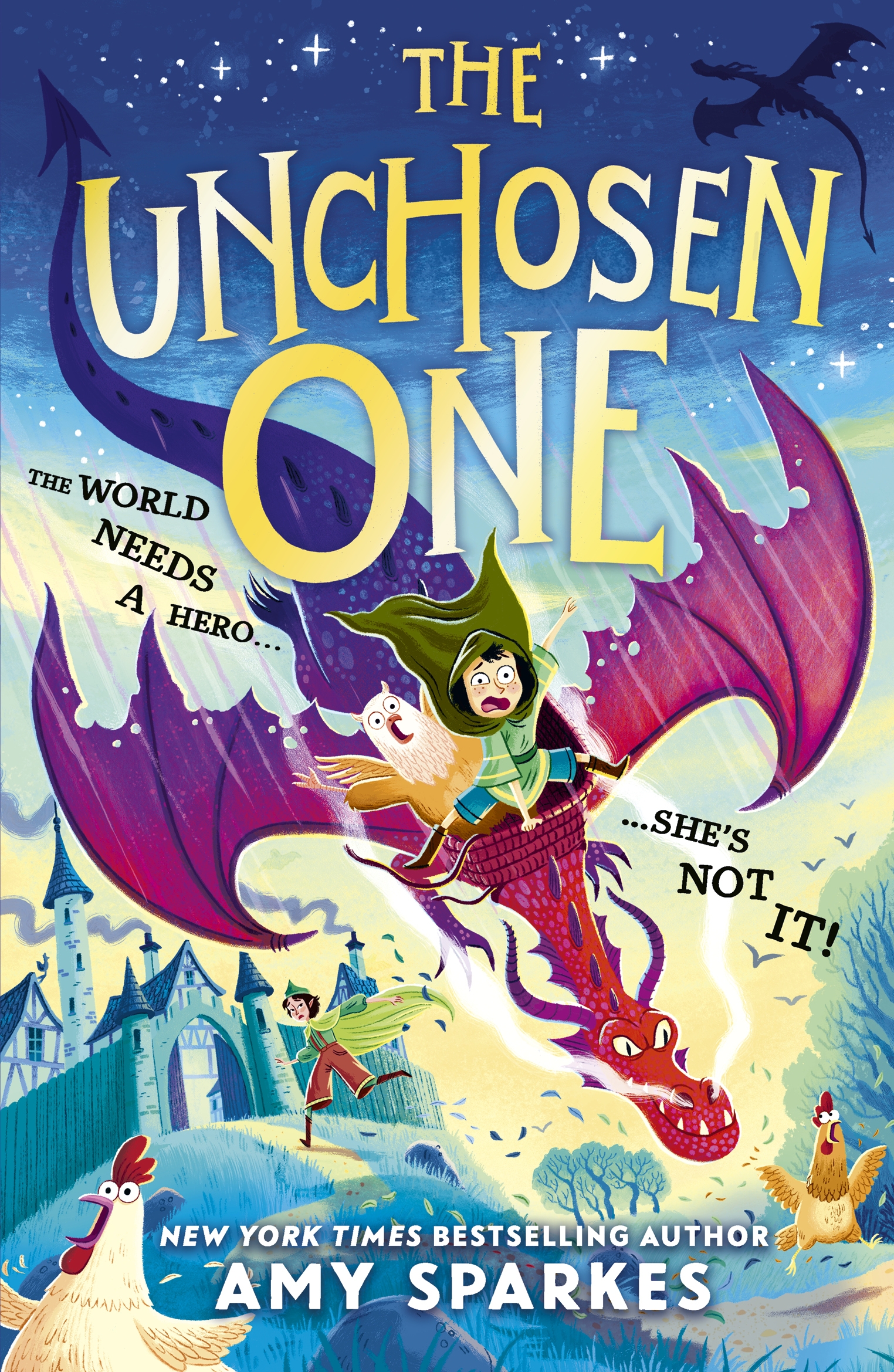
Amy Sparkes is a screenwriter and New York Times bestselling author of books for adults and children. Her books for younger readers include The House at the Edge of Magic series (Walker Books) and The Unchosen One (Walker Books 2026). Find out more www.amysparkes.co.uk and www.facebook.com/AmySparkesAuthor or follow Amy on Instagram @sparkes_amy.
Comments