
In this extract from her article in the Writers’ & Artists’ Yearbook 2027, Daisy Hay writes about what it takes to make a piece of non-fiction sing.
Most narrative non-fiction cannot be sustained by advances and ambitions alone. That takes me in turn to the subject of making a work of this nature sing. My own experience has shown me that deep research and thinking is crucial: even if much of that research never makes it into the finished work, it forms the foundations on which a strong work of narrative non-fiction is built. There have been times when I have tried to cut corners here, under pressure of time and money, but I have always had to go back and do the spade work that is patiently piecing together my story and its underpinnings from the raw materials of archive and context. Simultaneously, however, this is also a form of writing that has to keep the needs of its readers in mind at all times.
Creative non-fiction stands or falls on the back of the storytelling on which its research and thinking hangs. Shortly after I arrived at Exeter, I gave a work-in-progress paper after which a colleague told me that he could ‘hear the burn of some impressive research calories underpinning the storytelling’. That’s an image for this kind of work that I cherish. If you want people to walk into a bookshop and pluck your book from the table or shelves, parting with somewhere between £10–£30 for the privilege, your side of the bargain has to be that you will tell them about your research, your thinking and the world you have discovered while also telling them a really compelling story that will make them want to find out more […].
Writing for a reading public means just that: writing for the people you want to read your book. Although these books might get you nice reviews in the papers, conversely they leave very little room for ego: you can’t include a thing just because it’s your finding. Any book has to be an act of generosity from writer to reader, of course. But when I write, I have a specific question in mind: what do I need to tell my reader that will give them access to the world of ideas and words that I love, and that I want them to love too?
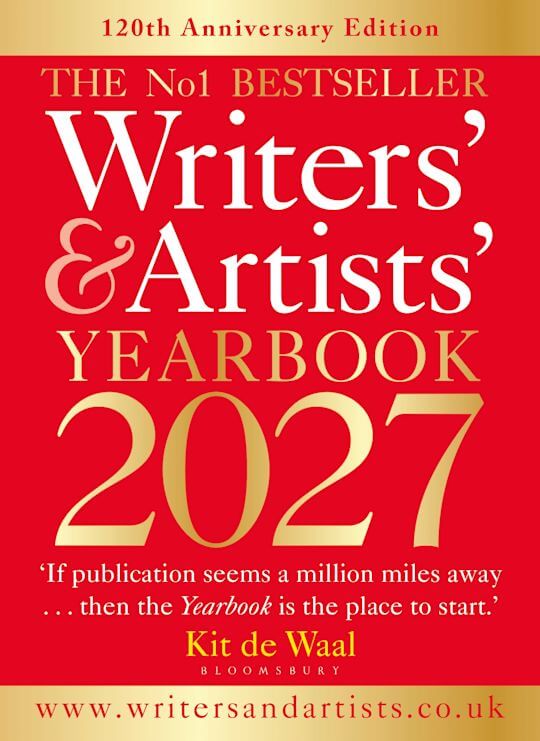
Get your copy of the Writers' & Artists' Yearbook 2027 at Bloomsbury.com.
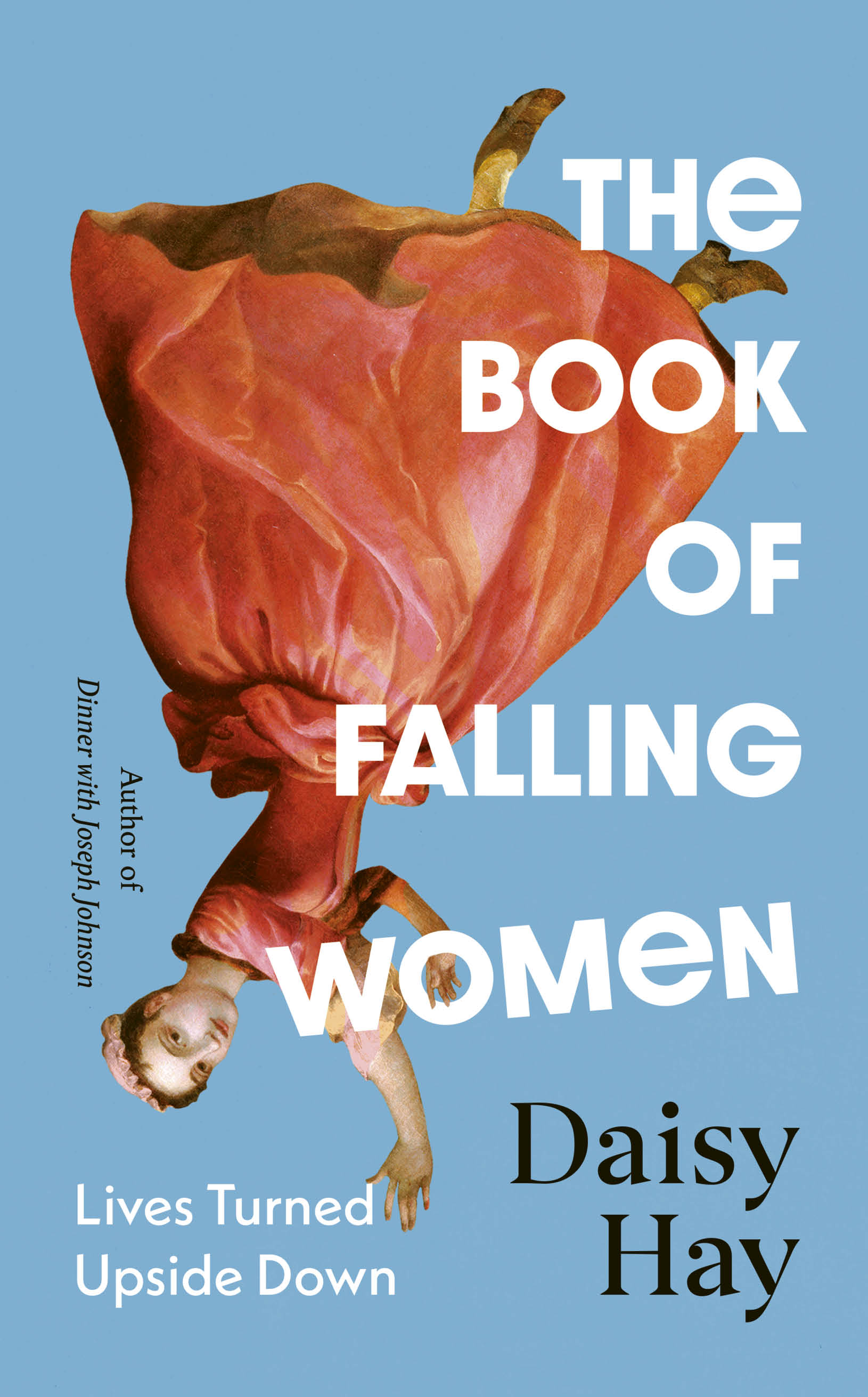
Daisy Hay is an author and academic. A Professor in English Literature and Life Writing at the University of Exeter, her books include Young Romantics: The Shelleys, Byron and Other Tangled Lives (Bloomsbury 2010), Mr and Mrs Disraeli: A Strange Romance (Chatto & Windus 2015) and Dinner with Joseph Johnson: Books and Friendship in a Revolutionary Age (Chatto & Windus 2022). Her next project, The Book of Falling Women, is due for publication with Chatto & Windus in February 2027.
Comments