
Some of the most enduringly popular children’s books over the years are works of series fiction. In this extract from her article in the Children’s Writers’ & Artists’ Yearbook, Helen Peters offers her advice on how to write series fiction that appeals to young readers.

From Paddington to Lottie Brooks, many of the best-loved and most commercially successful children’s books are series fiction. And the joy of escaping into a whole new world is, I think, why children love a series. So getting your protagonist and their world right are key to writing this type of book well.
The first thing to do is to identify the age range you want to write for and then read lots of current books aimed at those readers. My Jasmine Green series of animal rescue stories is aimed at a core age range of 7–9-year-olds, and when I started writing them, it was enormously helpful that I’d recently spent years reading series fiction to my children, so I knew what they loved in those books. Some of their favourites were Stunt Bunny, Tom Gates, Mr Gum, Agatha Parrot, Diary of a Wimpy Kid, Ottoline, The Worst Witch, Ellie May and Dick King-Smith’s Sophie books.
I began by making a list of the qualities I love in series fiction, so I could include them in my own stories. The list included warmth, humour, adventure, fun, a likeable main character, a strong cast of supporting characters, an exciting plot, an antagonist and an element of wish-fulfilment.
The basics: Length, structure and plot
Chapter books for 7–9-year-olds can be anything between 5,000–15,000+ words but often fall in the 10,000–12,000-word range. Each book in a series needs to be around the same length. Mine are all around 16,000 words: that is on the long side, but means they appeal to a wide age-range, from parents reading aloud to 5-year-olds, to independent reads for 11-year-olds who still enjoy shorter, pacy, illustrated books.
It’s a good rule of thumb to have short chapters of around 1,000 words each. A child reader will feel a sense of achievement at completing a chapter, and short chapters suit parents reading bedtime stories. Cliffhanger chapter endings keep the reader wanting more, and there’s nothing better for a writer than hearing that a child can’t put their book down.
Books for this age group need exciting plots with a sense of genuine peril. Create a simple main storyline, on which you can hang lots of fun and adventure. My stories essentially follow the well-known structure of set-up, inciting incident, rising tension, high point, rug-pulling moment, climax and resolution. (Helen Corner and Lee Weatherly explain this brilliantly in their book How to Write a Blockbuster.) It helps to plan all these key moments before you start, especially when writing to a tight deadline. I think of them as stepping stones. There’s plenty left to think about, but heading towards the next stepping stone helps me progress through the story.
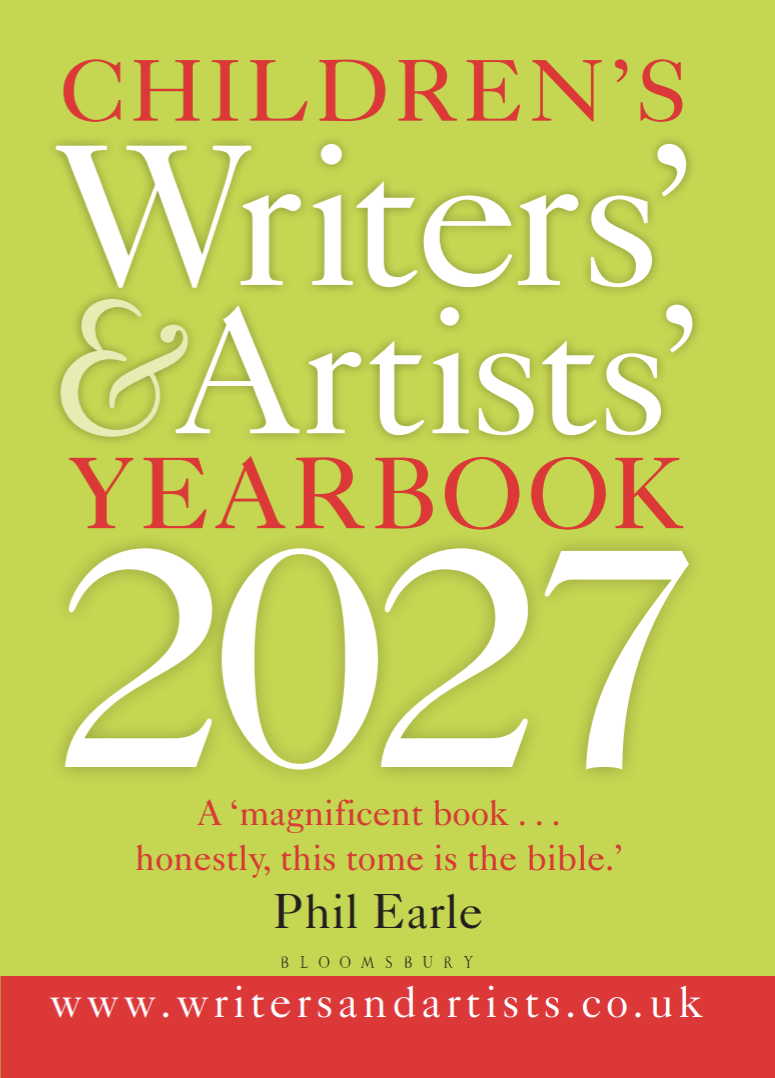
Get your copy of the Children's Writers' & Artists' Yearbook 2027 at Bloomsbury.com.
Helen Peters is an award-winning author whose books have been nominated for the Carnegie Medal and shortlisted for the Waterstones Children’s Book Prize. There are currently nineteen books in her Jasmine Green series, illustrated by Ellie Snowdon and translated into fifteen languages. The latest title is A Cat Called Cobweb. Find out more on her website.
Comments